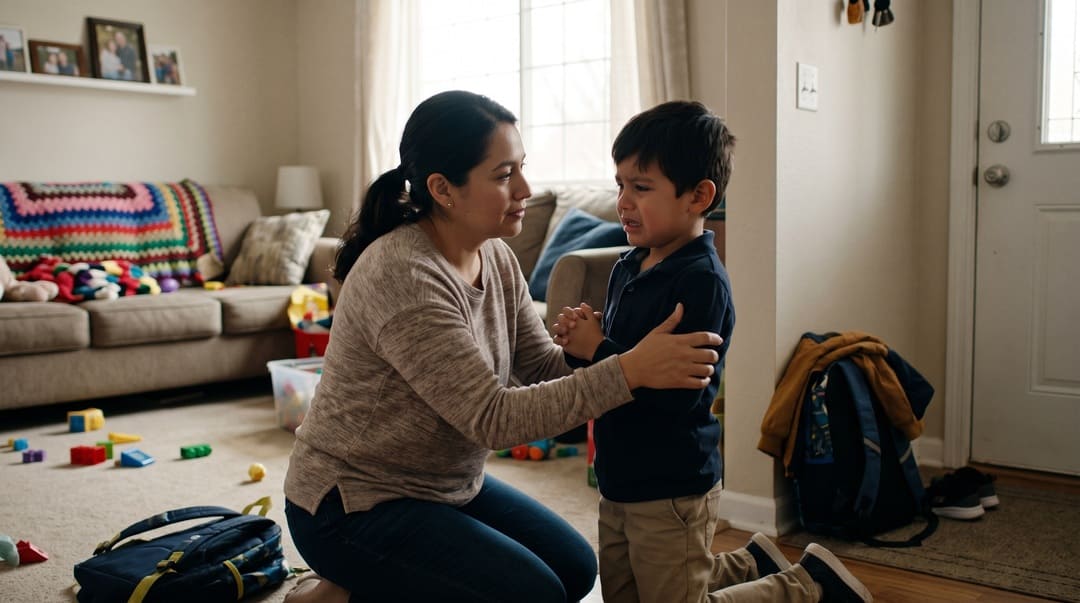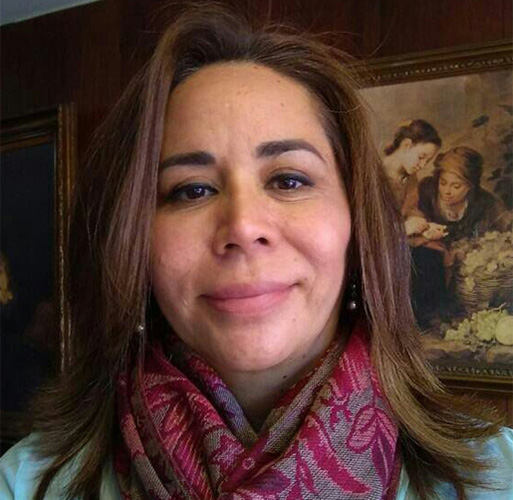
I would like to learn and discuss how I can help your child. I am a bilingual therapist offering therapy services for children in Spanish and English.
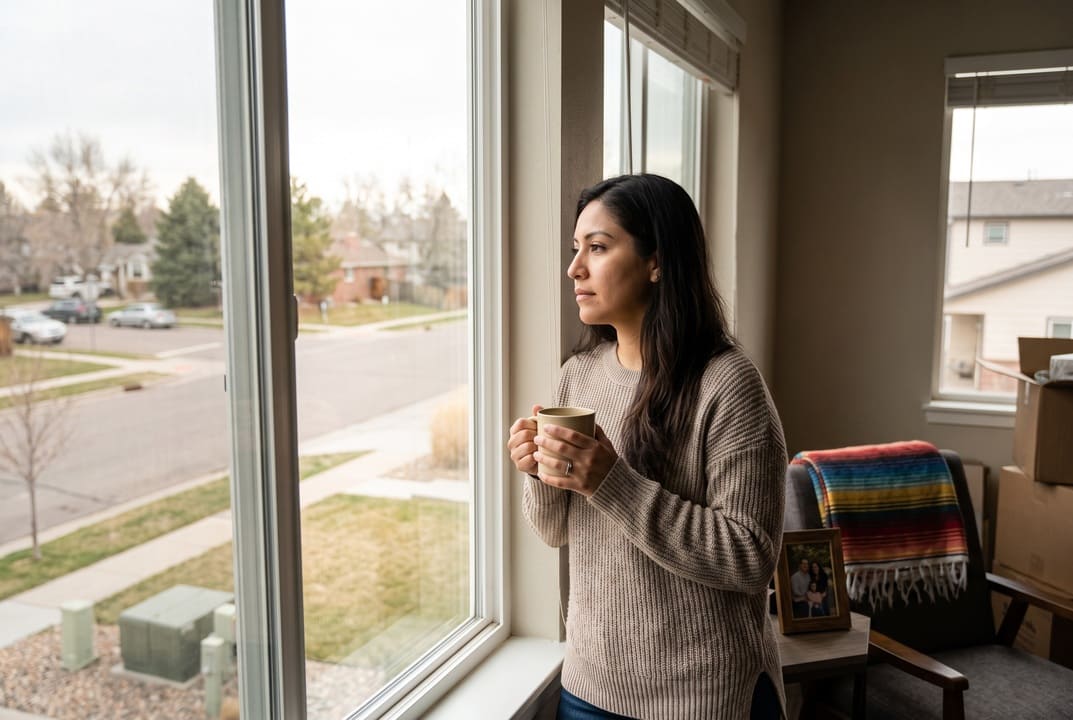
Do you wake up each morning feeling like a heavy weight is pressing down on your chest, making it difficult to face another day? Are you struggling to find joy in activities that once brought you happiness, while maintaining a brave face for your family?
Do you feel isolated and alone, even when surrounded by people, wondering if anyone truly understands the unique pressures you carry as a Latino individual in America? Have you been telling yourself “just be strong” or “others have it worse,” while secretly feeling overwhelmed by sadness, worry, or emptiness that won’t go away?
If these questions resonate with you, you’re not alone. Many Latino individuals and families in Denver struggle with depression while feeling they must carry these burdens silently to protect their loved ones or maintain their strength as pillars of their families.

Depression affects Latino immigrants and their families at significantly higher rates than the general population. Studies show that first-generation Latino immigrants experience depression up to 40% more due to unique cultural and social stressors.
However, many Latino individuals describe their emotional struggles using cultural terms like “nervios,” “tristeza,” or feeling “desanimado” rather than recognizing clinical depression. In Latino culture, there’s often pressure to be strong for the family, to endure hardships silently, and to prioritize family needs over individual mental health.
The stigma surrounding mental health in some Latino communities can make individuals feel like they’re “failing” their family or that seeking therapy means they’re “crazy” or weak. However, depression is a medical condition that responds well to culturally informed treatment.


Many Latino individuals carry depression stemming from traumatic immigration experiences, dangerous border crossings, or painful family separations. Being separated from children, parents, or spouses during the immigration process creates lasting emotional wounds that contribute to depression.
The pressure to succeed financially in America while often supporting family members both locally and in home countries creates chronic stress that fuels depression. Working multiple jobs, long hours, or low-paying positions can lead to feelings of inadequacy and hopelessness.
Living between two cultures creates internal conflicts that can trigger depression. Latino individuals may feel pressure to assimilate quickly while simultaneously trying to preserve their cultural identity. This constant cultural navigation is emotionally exhausting and can lead to feelings of not belonging fully to either culture.
Experiencing discrimination, microaggressions, or being undervalued in the workplace due to accent, appearance, or immigration status contributes significantly to depression. Language barriers can create feelings of inadequacy and isolation.
Many Latino families carry trauma from experiences in their home countries – violence, poverty, political persecution, or natural disasters. This unresolved trauma can manifest as depression in subsequent generations and affect family dynamics and overall mental health.

At Denver Latino Counseling, I understand that your depression isn’t just about individual symptoms – it’s deeply connected to your cultural identity, immigration experience, and the ongoing stressors of Latino life in America. My approach combines evidence-based treatments with deep cultural understanding.
Using IFS therapy, we’ll explore the different parts of yourself that carry depression, cultural conflicts, and survival strategies. You might discover the part that grieves for your homeland, the part that feels responsible for your entire family’s wellbeing, or the part that struggles with feeling “not Latino enough” or “not American enough”.
For depression rooted in traumatic immigration experiences, family separation, or workplace discrimination, I integrate EMDR therapy. EMDR helps your brain process traumatic memories so they no longer trigger intense depression symptoms in your daily life.
Depression often affects family relationships, creating distance between spouses, parents and children, or extended family members. Using EFT principles, we’ll work on rebuilding emotional connections within your family system.
Our work together will create a safe and culturally affirming space where you can explore your depression without judgment or cultural misunderstanding. I understand the complexity of your experience as a Latino individual, and our sessions will honor both your cultural background and your current reality in Denver.
We’ll work in your preferred language – whether that’s Spanish, English, or a combination of both. Sometimes depression symptoms are easier to express in your native language, while other therapeutic concepts might feel more natural in English.
During our sessions, you’ll learn practical tools for managing depression symptoms, including strategies rooted in both Western psychology and traditional Latino healing practices. We’ll explore how cultural factors like familismo, personalismo, and respeto influence your depression experience and recovery process.
Depression often co-occurs with other mental health conditions such as:
· Anxiety disorders
· PTSD
· Substance use disorders
· Eating disorders
· Chronic pain conditions
Integrated treatment plans that address both depression and co-existing conditions can enhance outcomes and support long-term recovery.
If someone you care about is struggling with depression, your support can make a significant difference. Here are some ways to help:
If there is a risk of self-harm or suicide, take it seriously. Call 988 (Suicide & Crisis Lifeline) or go to the nearest emergency room.
While depression can feel overwhelming and isolating, it is important to know that recovery is possible. With the right combination of treatment, support, and self-care, many people go on to live fulfilling, joyful lives.
If you are currently struggling, you are not alone—and help is available. Reach out to a mental health provider, talk to a trusted friend or family member, and take the first step toward healing.
Having worked with Latino families for over eight years, we have seen firsthand how depression therapy transforms lives when it honors cultural values while addressing community-specific stressors. My bilingual practice means you never have to worry about losing important nuances in translation.
Whether you’re dealing with depression triggered by immigration experiences, workplace discrimination, family separation, financial stress, or the ongoing challenges of bicultural identity, I understand how these stressors uniquely affect Latino individuals and families.
I understand the courage it takes to seek mental health treatment in cultures where depression may be stigmatized or misunderstood. Your privacy and cultural values are completely respected, and everything we discuss remains strictly confidential.
You Deserve to Feel Joy and Hope Again
Depression doesn’t have to define your life or your family’s future. Your willingness to seek help for depression shows incredible strength and wisdom – qualities that will serve you well in your recovery journey.
If you’re ready to begin depression therapy with our bilingual therapists who understand your unique challenges as a Latino individual or family member, I invite you to schedule a free 15-minute consultation.
Moving to a new city or country often represents progress, opportunity, and personal growth. Whether
You get a glowing report from your child’s teacher about how polite, attentive, and cooperative
On the surface, everything seems under control. You go to work, meet your obligations, take
When a relationship reaches a point where divorce is openly discussed, many partners feel overwhelmed
Few things in a relationship are as frustrating as trying to resolve a disagreement only
As parents, our primary instinct is to keep our children safe, happy, and confident. However,
Address:
Denver Latino Counseling
6767 South Spruce Street, Suite 215
Englewood, CO 80112
Our therapy office is conveniently located in Englewood, Colorado, just minutes from Denver, Aurora, and Centennial. We are close to Arapahoe Marketplace and a short drive from Park Meadows Mall.