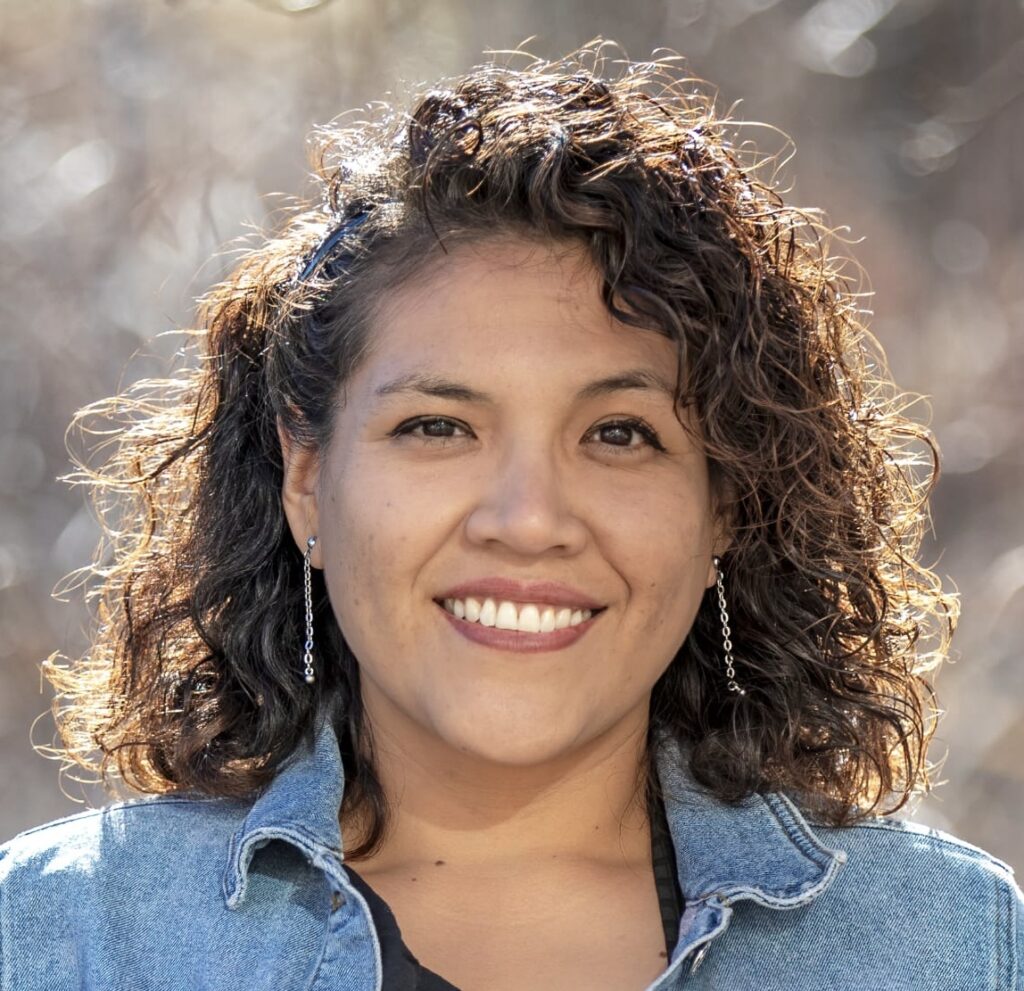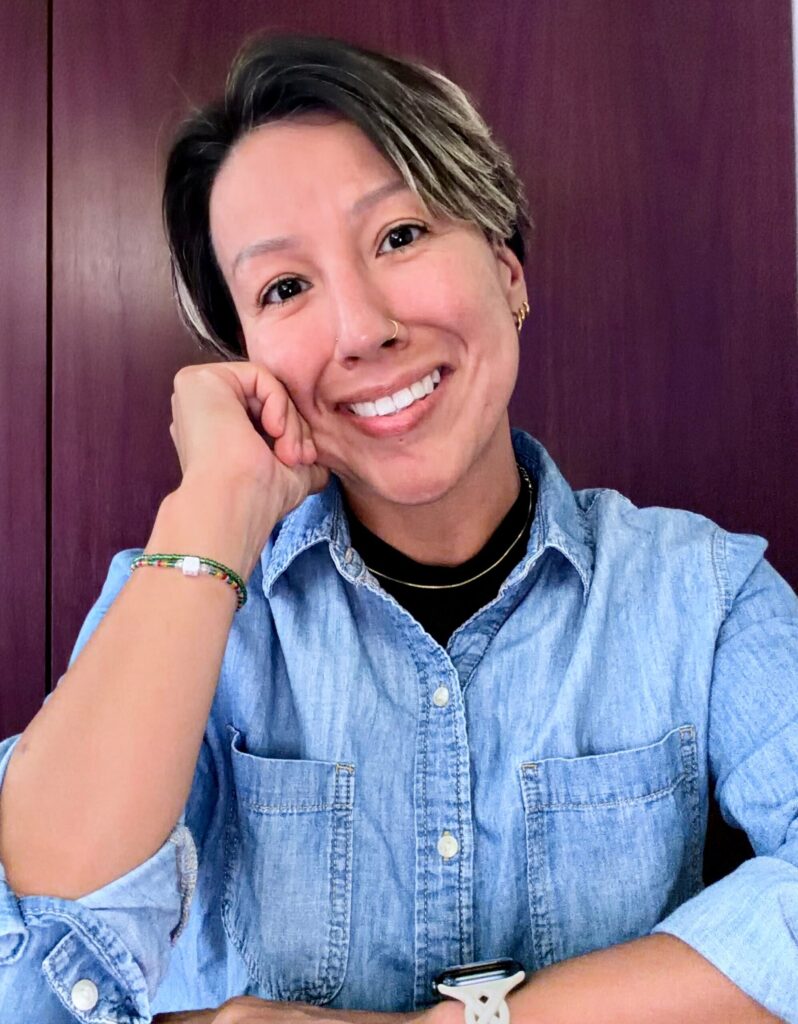
I would like to learn and discuss how I can help your child. I am a bilingual therapist offering therapy services for children in Spanish and English.
Living with unprocessed trauma as a Latino immigrant can feel like being trapped between two worlds – the painful past that follows you and the present life you’re trying to build for yourself and your family. Whether your trauma stems from dangerous border crossings, family separation, childhood abuse, domestic violence, or the ongoing stress of discrimination, these experiences can hijack your nervous system and make it difficult to feel truly safe, even when you are.

Trauma doesn’t just live in your thoughts – it lives in your body. You might notice your heart racing when you hear sirens, feeling dizzy when someone raises their voice, or experiencing stomach problems when reminded of past events.
These physical reactions are not signs of weakness; they’re the way your nervous system tries to protect you from perceived danger, even when you’re actually safe.
Many Latina trauma survivors describe feeling like they’re “always looking over their shoulder” or being unable to completely relax, even in their own homes.
You might find yourself avoiding certain places, people, or situations that remind you of traumatic experiences. Sleep becomes elusive while your mind replays painful memories.
Relationships suffer when trauma makes it difficult to trust or connect with others. It’s common to feel disconnected from the people you love most, even when you want to be close to them.
With specialized trauma therapy that understands your cultural background, you can learn to process these experiences. It’s possible to recover your sense of safety and peace, working with a therapist who respects your values and experiences as a Latina woman.


The reality of trauma in Latino families You are not alone in carrying these painful experiences. Trauma affects up to 60% of Latino immigrants, according to recent research. Our community faces unique challenges that can create deep wounds.
Experiences that mark our families Dangerous migration journeys represent only the beginning of many traumatic experiences. Family separation, daily discrimination, and the constant struggle to establish oneself in a new country can leave lasting emotional scars.
Multiple sources of pain From threats during border crossings to the stress of adapting to a new culture, our families face traumas that go beyond what many people can imagine. Economic pressure and constant fear of deportation add additional layers of stress.
The silent weight of suffering Many times, we keep the pain in silence out of fear of stigma or not knowing where to seek culturally appropriate help. It’s important to remember that recognizing trauma is not a weakness – it’s the first step toward healing.
The strength of seeking support Although trauma is common in our community, recovery is also possible. With adequate and culturally sensitive support, families can heal and create a more hopeful future for the next generations.

The path to the United States often includes experiences that would change anyone. Dangerous desert crossings, family separations at borders, and detention in overcrowded facilities leave deep marks.
These experiences, along with constant fear of deportation, create emotional wounds that aren’t visible but are felt every day.
Many Latino immigrants develop Post-Traumatic Stress Disorder (PTSD) after these traumatic events. Symptoms can include:
• Memories that come without warning
• Nightmares that disrupt sleep
• Intense anxiety that seems endless
• Avoiding places or situations that bring painful memories
Reaching physical safety doesn’t mean that trauma automatically disappears. The hypervigilance that protected you during dangerous moments can become a barrier to enjoying the peace you worked so hard to achieve.
It’s normal to feel like you always have to stay alert, but you deserve to be able to relax in your new home.
Children who witnessed their parents’ suffering or experienced separation can develop their own trauma responses. This can create patterns of pain that pass from generation to generation.
Recognizing these patterns is the first step to breaking the cycle and creating healing for the entire family.
Immigration trauma is real, but recovery is also possible. With appropriate support and culturally sensitive treatment, families can find ways to heal together and build a more hopeful future.
Many Latino families carry trauma spanning generations – stories of war, poverty, violence and loss transmitted through family lines. You might find yourself reacting in ways that seem disproportionate, carrying not only your own pain, but the unprocessed trauma of your ancestors.
Childhood trauma within Latino families is often complicated by cultural factors like machismo and expectations of family loyalty. These experiences can leave you feeling broken, but with compassionate and culturally informed therapy, healing is absolutely possible.
At Denver Latino Counseling, I understand that your trauma is connected to your family history and cultural identity. My approach combines effective evidence-based treatments with deep cultural understanding to help you process traumatic experiences and develop a new relationship with your past.
Eye Movement Desensitization and Reprocessing (EMDR) is one of the most effective treatments for trauma and PTSD. During sessions, we’ll work together to help your brain reprocess traumatic memories so they no longer trigger intense emotional reactions in your daily life.
EMDR isn’t about forgetting what happened to you – it’s about changing how these memories affect you. It’s particularly effective for immigration-related trauma, childhood abuse, and domestic violence. Many clients describe feeling like a weight has been lifted from their shoulders after treatment.
Using Internal Family Systems (IFS) therapy, we’ll explore how different parts of your internal system have adapted to protect you from trauma. You might discover the part that stays hypervigilant, the one that shuts down emotions, or the one that carries anger about injustices.
Through IFS, you’ll learn to understand and heal these protective parts while accessing your core Self – the calm and compassionate leader within you who can guide your healing journey.
Our work will always proceed at your pace, ensuring you feel safe and in control. I understand the complexity of trauma within Latino family contexts, and our sessions will honor both your painful experiences and your incredible resilience.
We’ll work in whichever language feels most comfortable – English, Spanish, or both. Some traumatic memories might be stored in a specific language, and having flexibility to express yourself authentically is crucial for effective processing.
During sessions you’ll learn practical tools for managing trauma symptoms, including grounding techniques based on Western psychology and traditional Latino healing practices.
With over eight years working with Latina trauma survivors, I’ve witnessed the incredible strength of our community. My bilingual practice means you never lose important cultural nuances, and you can share your story in the language that holds the most meaning for you.
Whether it’s PTSD from border-crossing experiences, childhood trauma, domestic violence, or patterns of intergenerational trauma, I understand how these experiences uniquely affect Latino families. My approach respects the importance of family connections and cultural values while providing you with effective healing tools.
Trauma therapy isn’t about becoming a different person – it’s about becoming who you were meant to be before trauma interrupted your natural development. Together we’ll work to restore your safety, rebuild your capacity for joy and help you step into a future that isn’t defined by your past pain.
Many Latino trauma survivors worry about betraying family loyalty by addressing abuse or neglect within their families. Trauma therapy doesn’t require you to cut off relationships or publicly expose family members. Instead, we focus on healing your internal experience so you can choose how to navigate these relationships from a place of strength rather than trauma response.
This is a common and understandable concern. Quality trauma therapy like EMDR is specifically designed to help you process traumatic memories without retraumatizing you. We’ll work within what’s called your “window of tolerance,” ensuring you feel resourced and grounded before, during, and after processing difficult material. You’ll learn tools to manage symptoms and will never be forced to discuss anything you’re not ready to address.
While trauma therapy can’t change external circumstances like immigration policies, it can dramatically improve your ability to cope with ongoing stress. When past trauma is processed and healed, your nervous system becomes more resilient and better able to distinguish between actual present-moment threats and trauma-triggered responses. This helps you respond to real challenges more effectively while reducing the additional suffering caused by unprocessed trauma.
Your courage in considering trauma therapy shows incredible strength and wisdom. Surviving trauma takes tremendous resilience, and seeking help to heal from it is an act of self-love and family love. You deserve to live a life where your past experiences inform your strength rather than control your daily experience.
If you’re ready to begin trauma therapy with a bilingual therapist who understands your unique challenges as a Latino trauma survivor, I invite you to schedule a free 20-minute consultation. During this call, we can discuss your specific experiences and how trauma therapy using EMDR and IFS can help you heal and reclaim your life.
To schedule your consultation or learn more about trauma therapy services, please call (720) 276-9188 or email vanessa@denverlatinocounseling.com. I respond to all inquiries within 24 hours and offer morning and evening appointments to accommodate working families.
Se habla español. Estamos aquí para apoyarte en tu proceso de sanación.
Few things in a relationship are as frustrating as trying to resolve a disagreement only
As parents, our primary instinct is to keep our children safe, happy, and confident. However,
Family can be one of our strongest sources of love, support, and identity. At the
On paper, your life looks solid. You might have job security, supportive relationships, a stable
Life has a way of delivering unexpected disruptions—a breakup, the loss of a job, a
When society talks about depression, the conversation usually centers around emotional symptoms: feeling sad, hopeless,
Address:
Denver Latino Counseling
6767 South Spruce Street, Suite 215
Englewood, CO 80112
Our therapy office is conveniently located in Englewood, Colorado, just minutes from Denver, Aurora, and Centennial. We are close to Arapahoe Marketplace and a short drive from Park Meadows Mall.