
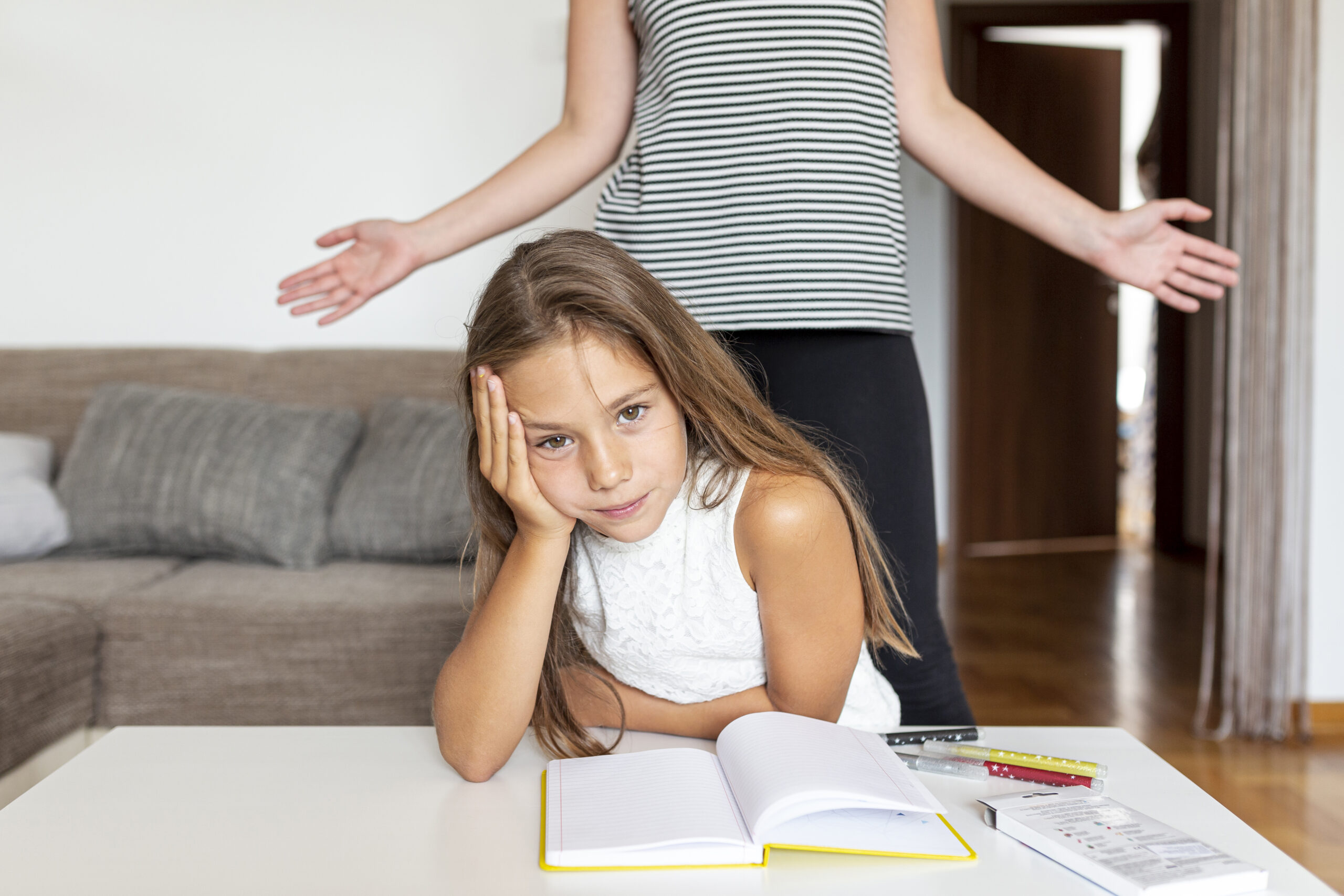
Watching a child erase their homework until the paper tears, burst into tears over a minor drawing error, or completely refuse to try a new sport can be heartbreaking for any parent.
While it is natural for children to want to succeed, an intense fear of failure can transform everyday learning into a source of severe emotional paralysis. Instead of exploring the world with curiosity, a child who fears mistakes builds rigid emotional walls to protect themselves from judgment or embarrassment.
Throughout the following sections, we will explore the underlying roots of perfectionism in young minds, how unique cultural dynamics in Hispanic households can accidentally increase performance pressure, and how specialized therapy for Children can help your child embrace growth with confidence.
Why is my child so afraid of making mistakes?
When a child reacts to a minor error with intense distress, anger, or complete withdrawal, it is not simply “dramatic behavior” or stubbornness. It is a protective response triggered by a developing nervous system that interprets failure as a direct threat to their emotional safety.
Children often confuse their actions with their personal worth. To a sensitive or overwhelmed child, making a mistake does not mean “I made an error that I can fix”; it feels like “I am bad, bad at everything, or disappointing.”
Their developing executive functioning center struggles to process frustration, leading them to view anything short of perfection as a total failure. To avoid feeling ashamed or vulnerable, their survival brain directs them to avoid new challenges altogether or demand absolute flawlessness in everything they do.
How do hispanic cultural values influence childhood perfectionism?

In Latino homes, the pressure to perform flawlessly is often tied to deep-seated cultural narratives, family pride, and generational expectations.
The weight of family sacrifice and “echarle ganas”
Many children in our community grow up hearing about the immense struggles and sacrifices their parents made to provide better opportunities. While intended to motivate, the constant cultural message to echarle ganas (give it your all) can sometimes be internalized as a demand for absolute perfection.
A child may worry that making a mistake or getting a low grade will disappoint their parents or invalidate the family’s hard work, transforming simple schoolwork into a high-stakes emotional test.
The shield against “el qué dirán” and “falta de respeto”
Traditional upbringing often places a strong emphasis on behavioral respect (respeto) and maintaining a positive family reputation in the community.
When a child feels that public errors or behavioral missteps will invite community judgment (el qué dirán) or be labeled as a lack of discipline, they learn to hide their vulnerabilities.
This fear of bringing shame to the family unit forces children to develop intense self-monitoring habits, making them terrified of making mistakes in front of others.
What are the warning signs of a fear of failure in children?
When the anxiety of making a mistake takes over your child’s routine, it shows up through distinct behavioral red flags in school, home life, and social settings.
Red flags to watch for in your child’s routine:
- Extreme Meltdowns over Minor Errors: Crying hysterically, tearing up assignments, or throwing art supplies when a mistake happens during a task.
- Avoidance and Quitting: Refusing to participate in new games, hobbies, or school activities unless they are guaranteed to excel immediately.
- Procrastination and Slow Execution: Spending hours on simple homework tasks due to constant erasing, re-doing, or over-analyzing every detail.
- Somatic Complaints: Experiencing sudden stomach aches (dolores de panza) or tension headaches (dolores de cabeza) before tests, games, or social events.
If you recognize these self-critical patterns in your home, implementing gentle, supportive strategies can help shift your child’s perspective from fear to resilience.
How to help a child who is afraid of making mistakes at home
Helping a child uncouple their self-worth from their performance requires intentional co-regulation and redefining what failure means in your household. You can begin practicing these supportive habits today:
- Model Making Mistakes Openly: Let your child see you make minor everyday errors—like spilling a drink or dropping something—and react with calm humor. Say: “Oops, I made a mistake! That’s okay, I can clean it up and try again.”
- Praise the Process, Not the Outcome: Shift your encouragement away from final results (like getting an “A” or winning a game) and focus on effort. Say: “I am so proud of how hard you worked on that project,” rather than “You’re the best artist.”
- Normalize “Beautiful Mistakes”: Encourage creative activities where errors are part of the fun, such as painting, building with blocks, or cooking, showing them that unexpected results can lead to new discoveries.
- Practice Self-Compassion: Teach your child phrases of amor propio (self-love) to speak to themselves when frustration strikes. Help them replace “I can’t do this” with “I can’t do this yet, but I am learning.”
When to seek therapy for your child’s fear of failure

When a child’s fear of making mistakes leads to persistent school refusal, daily meltdowns, or severe self-criticism, seeking professional support is a powerful way to guide their development.
Choosing a bilingual therapist in Colorado ensures your child is supported in an environment that understands the unique cultural dynamics and bicultural expectations of a Latino home.
Utilizing specialized Therapy for children provides a safe, tailored environment where young individuals can build emotional regulation skills and process their worries.
Through structured behavioral guidance and child-centered strategies, therapy helps children learn to navigate frustration, develop problem-solving skills, and build internal resilience—helping them realize that making mistakes is simply a natural step toward growing up.
Take the next step toward your child’s confidence
Denver Latino Counseling provides compassionate, bilingual, and culturally responsive care tailored for children, teens, adults, and families.
We specialize in child anxiety, emotional regulation, perfectionistic stress, and family guidance with evidence-based care that respects your values, your heritage, and your story. We proudly serve families throughout Denver, Aurora, Commerce City, Thornton, Westminster, and Littleton.
To ensure quality mental healthcare remains accessible to everyone in our community, we proudly accept Medicaid (Aceptamos Medicaid) and offer flexible payment options for all families.
Contact Us Today to schedule your free 15-minute consultation — en español o inglés.
No tienes que cargar este peso solo. Estamos aquí para ayudarte. You don’t have to carry this weight alone. We’re here to help.
If you are looking for support or therapy for children in Denver, Denver Latino Counseling is here to help.

Vanessa Richards, LPC is a bilingual psychotherapist with 18 years of experience helping children, teens, adults, couples, and families overcome trauma, anxiety, depression, and relationship challenges. She specializes in EMDR and IFS to help clients build resilience and emotional well-being.