

Few physical symptoms are as alarming as a heart that suddenly feels like it is pounding against your chest. Whether you are sitting quietly at work, driving, or trying to fall asleep, a racing heart can create an immediate wave of panic, leaving you wondering if you are experiencing a heart attack or a serious medical emergency.
A rapid or pounding heartbeat (palpitaciones) is one of the most common physical expressions of anxiety. Understanding how your body reacts to stress is the first step toward reclaiming calm and peace of mind.
Throughout this guide, you will learn the physiological reasons behind a racing heart, how physical anxiety presents in Hispanic culture, and how working with a Spanish speaking therapist in Denver can help you regain control over your nervous system.
The science behind a racing heart: fight-or-flight response
When your brain perceives stress, uncertainty, or emotional overwhelm, it activates your sympathetic nervous system—the body’s built-in defense mechanism.
The adrenaline surge
Your adrenal glands release stress hormones, including adrenaline and cortisol. These hormones instruct your heart to pump blood faster to your muscles, preparing your body to either fight a physical threat or run away from danger (fight-or-flight).
Misinterpreting safe situations
During anxiety or panic attacks, this alarm system goes off even when there is no physical danger present. Because your heart is racing while you are physically safe, your brain misinterprets the rapid heart rate as proof that something is terribly wrong, creating a cycle of escalating panic.
Warning signs that heart racing is linked to anxiety
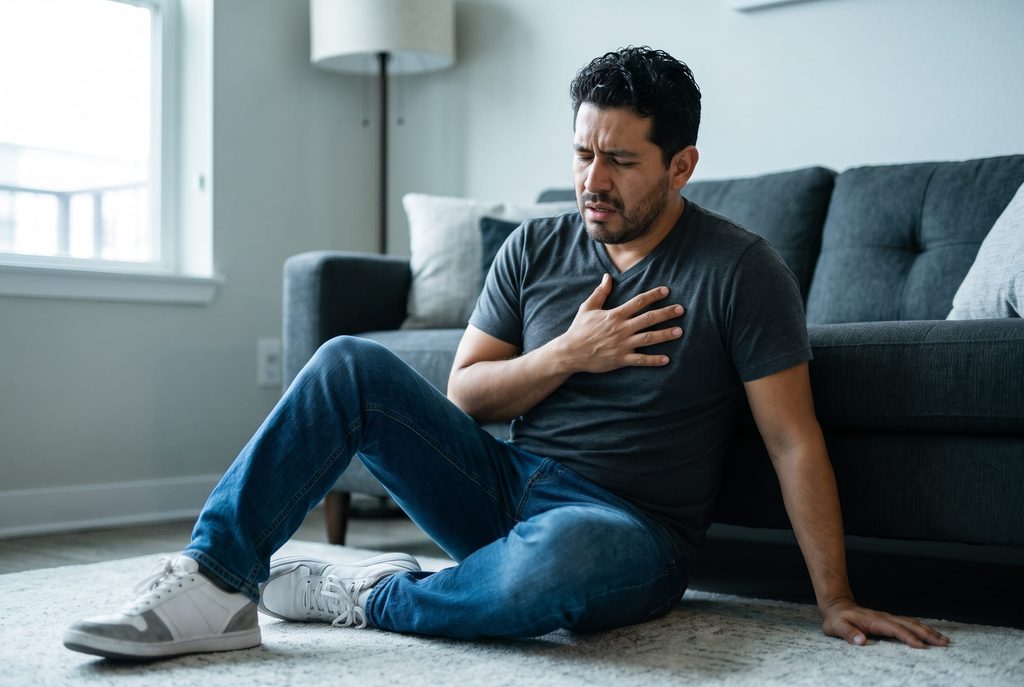
Understanding the difference between anxiety-driven palpitations and other symptoms can help you feel more grounded:
- Sudden Onset During Stress: Pounding heart rates that trigger during high-stress moments, conflict, or intrusive thoughts.
- Accompanying Sensations: Feeling chest tightness (presión en el pecho), shortness of breath (falta de aire), or lightheadedness alongside the racing heart.
- Quick Peak and Resolution: Symptoms that surge within minutes and gradually subside as your body relaxes.
- Clean Medical Evaluations: Experiencing recurring chest tightness or palpitations despite medical tests showing a healthy cardiovascular system.
If a racing heart is disrupting your daily life or causing constant worry, seeking specialized anxiety therapy in Denver can help you calm your bodily response.
Cultural dynamics: Physical anxiety in latino families
In Hispanic culture, emotional stress frequently reveals itself through physical distress rather than direct conversations about mental health.
Somatization and “Ataques de Nervios”
In many Latino households, severe anxiety and palpitations are described as an ataque de nervios or feeling sustado/a or nervioso/a. Because discussing physical complaints like chest pressure (taquicardia) is often more accepted than talking about emotional vulnerability, many individuals visit urgent care or emergency rooms repeatedly before exploring anxiety treatment.
The pressure of carrying it all alone
Latino cultural values place high importance on family responsibility, hard work, and stoicism (aguantar). Pushing through continuous stress without emotional support causes the body to store unexpressed anxiety, eventually forcing a physical reaction like a racing heart.
Practical steps to calm a racing heart in the moment
When your heart starts pounding due to anxiety, you can use somatic techniques to signal to your nervous system that you are safe:
- Engage the Vagus Nerve: Take slow, deep breaths where your exhale is longer than your inhale (e.g., inhale for 4 seconds, exhale for 6 seconds).
- Splash Cold Water on Your Face: Cold exposure triggers the body’s mammalian dive reflex, naturally slowing your heart rate down.
- Practice Grounding: Focus on physical reality by placing both feet flat on the floor and describing five objects in the room out loud.
- Acknowledge the Sensation: Gently remind yourself: “My heart is beating fast because of adrenaline, but I am safe and this will pass.”
Healing without a translator: Why bicultural therapy matters
Overcoming anxiety and body-focused stress requires a therapeutic space where your heritage, family dynamics, and physical symptoms are understood without judgment. Choosing a Spanish speaking therapist in Denver allows you to process your feelings in the language that feels most natural to you.
A bilingual, culturally responsive therapist helps you map your body’s stress response, reframe anxious thoughts, and implement proven somatic regulation tools.
If recurring panic or physical stress is affecting your ability to work or care for your loved ones, specialized therapy for adults in Denver can guide you back to emotional equilibrium.
Overcoming stigma: listening to your body is strength
Experiencing a racing heart is not a sign of emotional weakness; it is your body’s way of asking for support and regulation.
How anxiety therapy transforms your health:
- Decodes Bodily Signals: Helps you recognize physical tension before it escalates into full panic.
- Reduces Health Anxiety: Gives you confidence to navigate physical symptoms without spiraling into fear.
- Restores Daily Confidence: Empowers you to engage in daily routines, work, and family life with a calm nervous system.
Take the next step toward lasting peace

Denver Latino Counseling provides compassionate, bilingual, and culturally specific therapy tailored for adults, teens, children, and families.
We specialize in treating anxiety, panic attacks, physical somatization, depression, and generational stress using evidence-based care that respects your values and your heritage. We proudly serve families throughout Denver, Aurora, Commerce City, Thornton, Westminster, and Littleton.
To ensure quality mental healthcare remains accessible to our entire community, we proudly accept Medicaid (Aceptamos Medicaid) and offer flexible payment options for all families.
Contact Us Today
Schedule your free 15-minute consultation — en español o inglés.
No tienes que cargar este peso solo. Estamos aquí pafra ayudarte. You don’t have to carry this weight alone. We’re here to help.
If you are ready to address physical stress and panic, explore our specialized anxiety therapy in Denver at Denver Latino Counseling.

Vanessa Richards, LPC is a bilingual psychotherapist with 18 years of experience helping children, teens, adults, couples, and families overcome trauma, anxiety, depression, and relationship challenges. She specializes in EMDR and IFS to help clients build resilience and emotional well-being.