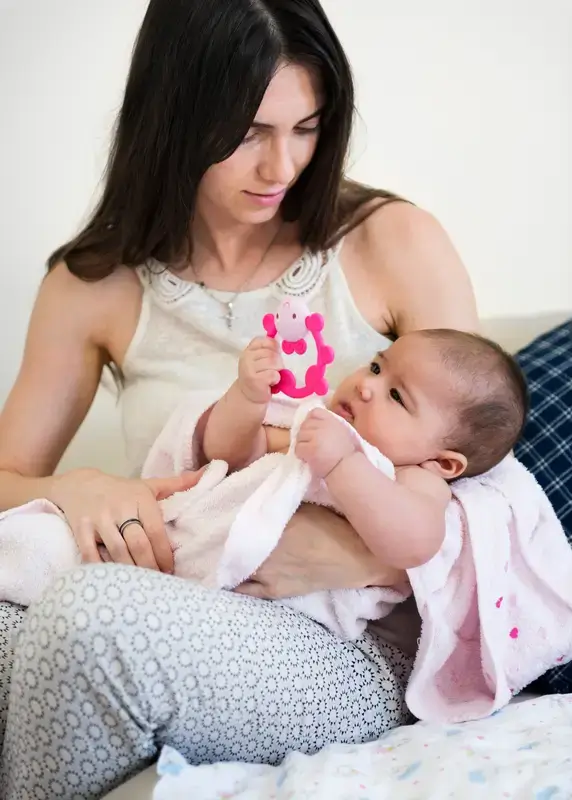
Becoming a mother should feel joyful, but for many Latina mothers, the early months are filled with overwhelming worry, racing thoughts, and constant fear that something terrible will happen to your baby. Maybe you’re checking on your sleeping infant multiple times per night, feeling your heart race with anxiety, or struggling with intrusive thoughts that won’t stop. You might feel like you should be strong enough to handle this alone—después de todo, our mothers and grandmothers managed without therapy, right?
But here’s the truth: postpartum anxiety affects up to 20% of new mothers, and Latina women face unique cultural pressures that can intensify these struggles. Between wanting to honor your family’s expectations, maintaining respeto within your household, and feeling like admitting struggle means you’re not being a strong madre, the weight can feel unbearable. You’re not failing—you’re experiencing a real medical condition that responds beautifully to treatment.
Postpartum anxiety therapy offers Latina mothers a path to feeling like themselves again while honoring their cultural values and building the confidence to care for their babies. You don’t have to choose between getting help and being a good madre latina—therapy helps you become the mother you want to be.
What Is Postpartum Anxiety?
Postpartum anxiety is more than typical new parent worries. While all new mothers experience some concern about their baby’s wellbeing, postpartum anxiety creates persistent, overwhelming fear that interferes with daily life. For many Latina mothers, this anxiety feels especially difficult to talk about because in our culture, we’re often expected to be strong, grateful, and naturally skilled at motherhood.
Common symptoms include:
- Constant worry about your baby’s health or safety, even when everything is fine
- Racing thoughts that won’t stop, especially at night (pensamientos que no paran)
- Physical symptoms like rapid heartbeat, difficulty breathing, or chest tightness
- Intrusive thoughts about something bad happening to your baby
- Difficulty sleeping even when the baby is asleep
- Feeling restless, on edge, or unable to relax
- Checking on your baby excessively or not trusting others—even family—to care for your baby
- Feeling like you must be perfect to avoid judgment from familia
Many Latina mothers describe postpartum anxiety as feeling like their mind won’t turn off. You might find yourself imagining worst-case scenarios, constantly Googling symptoms, or feeling paralyzed by “what if” thoughts. You may worry about what your suegra or mother will think if they know you’re struggling. Perhaps you feel guilty for not experiencing the pure joy everyone expects, or you wonder if seeking help means you’re betraying the strength your own mother showed.
These feelings are valid, and they’re also treatable. Acknowledging that you need support doesn’t make you weak—it makes you wise.
Why Latina Mothers Experience Postpartum Anxiety
Understanding why postpartum anxiety happens can help reduce the shame many Latina mothers feel. This isn’t about being weak or ungrateful—it’s about brain chemistry, life changes, cultural expectations, and overwhelming responsibility hitting all at once. Para nosotras, there are additional layers that make postpartum anxiety even more complex.
Several factors contribute to maternal mental health challenges for Latina mothers:
Hormonal changes: The dramatic drop in pregnancy hormones after delivery affects brain chemistry and mood regulation. Your body is going through massive adjustments while simultaneously caring for a newborn—no matter how strong you are, biology affects everyone.
Sleep deprivation: Chronic lack of sleep intensifies anxiety symptoms and makes it harder for your brain to regulate emotions and process worry effectively. This is especially challenging if you’re also caring for other children or managing household responsibilities that fall primarily on you.
Cultural expectations of motherhood: In Latino culture, there’s often an unspoken belief that mothers should instinctively know how to care for their babies, sacrifice everything without complaint, and maintain alegría even when exhausted. The pressure to live up to the ideal of la madre perfecta can intensify anxiety when reality feels different.
Familismo and multiple opinions: While family support is a beautiful part of Latino culture, it can also create stress when you’re receiving constant advice, criticism, or expectations from multiple family members. Your mother, suegra, tías, and comadres may all have opinions about how you should care for your baby, leaving you feeling like you can’t do anything right.
Stigma around mental health: In many Latino families, mental health struggles are seen as weakness, lack of faith, or something to hide. You may have heard phrases like “échale ganas” or “sólo necesitas orar más,” which can make you feel guilty for needing professional help. This stigma prevents many Latina mothers from seeking the support they desperately need.
Immigration-related stress: If you’re navigating immigration concerns, separation from extended family, or adjusting to a new country while becoming a mother, these stressors compound postpartum anxiety. You may be raising your baby without the support network you expected or dealing with fears about your family’s future.
Loss of identity and isolation: Motherhood requires enormous identity shifts, and for Latina women who may have been independent or career-focused, the transition can feel especially jarring. If you’re also isolated from your community or Latino cultural connections, the loneliness intensifies anxiety.
Language barriers in healthcare: If English isn’t your first language, navigating the healthcare system while advocating for yourself and your baby adds another layer of stress that can worsen postpartum anxiety.
Previous anxiety or trauma: If you experienced anxiety before pregnancy, witnessed violence, or have unresolved trauma—including migration trauma—these issues may resurface or intensify after childbirth.
How Culturally Sensitive Postpartum Anxiety Therapy Works
Anxiety therapy for Latina mothers isn’t about judging your parenting or dismissing your cultural values—it’s about giving you tools to manage overwhelming thoughts while respecting who you are and where you come from. Therapy creates a safe space where you can express fears without shame, honor your cultura, and learn practical strategies that actually work for your life.
Working with a therapist who understands Latino culture makes a tremendous difference. They won’t tell you to ignore your family’s advice or abandon your values. Instead, they’ll help you navigate the balance between honoring familismo and protecting your mental health, between showing respeto and setting boundaries, between being a strong madre and being human.
Cognitive Behavioral Therapy (CBT)
CBT helps you identify thought patterns that fuel anxiety. Many Latina mothers develop catastrophic thinking, where they automatically jump to worst-case scenarios—often influenced by stories they’ve heard from familia about things that went wrong. A culturally sensitive therapist helps you recognize these patterns and develop more balanced, realistic thoughts.
You’ll learn to challenge anxious thoughts like “If I ask for help, everyone will think I’m a bad mother” or “Something terrible will happen if I’m not perfect” and replace them with evidence-based thinking that reduces worry. Your therapist understands the cultural context behind these thoughts and won’t dismiss them as irrational—they’ll help you work through them while respecting your values.
Eye Movement Desensitization and Reprocessing (EMDR)
For Latina mothers whose postpartum anxiety connects to birth trauma, previous pregnancy loss, migration trauma, or other difficult experiences, EMDR therapy can be remarkably effective. This approach helps your brain process difficult memories and experiences that may be triggering current anxiety.
Many Latina women carry trauma they’ve never talked about—perhaps related to immigration, family violence, or difficult experiences in their country of origin. EMDR helps you heal from these experiences without having to talk about them in detail, which can feel more culturally appropriate and comfortable.
Family Therapy Approaches
Postpartum anxiety doesn’t exist in isolation—it affects your entire family system, and in Latino culture, that often means an extended network. Family therapy helps your partner, parents, or suegros understand what you’re experiencing and learn how to provide effective support rather than judgment or unhelpful advice.
These sessions can address how cultural expectations about motherhood may be contributing to your anxiety. Sometimes the most healing conversations happen when familia truly understands that anxiety is a medical condition, not a lack of faith, weakness, or insufficient love for your baby. A bilingual therapist can facilitate these conversations in Spanish or English, ensuring everyone feels heard and understood.
Practical Strategies Your Therapist Might Teach
Effective postpartum anxiety therapy goes beyond talking. Your therapist will teach you concrete skills you can use when anxiety strikes:
Grounding techniques: When panic hits at 3 AM, grounding exercises help you reconnect with the present moment instead of spiraling into worried thoughts about the future.
Anxiety management tools: Learn breathing exercises, progressive muscle relaxation, and other techniques that calm your nervous system quickly.
Sleep strategies: While you can’t control when your baby wakes up, therapists teach sleep hygiene practices that help you rest more effectively during available windows.
Boundaries and self-care: Many new moms feel guilty taking time for themselves. Therapy helps you understand that caring for yourself isn’t selfish—it’s essential for caring for your baby.
Communication skills: Learn how to ask for help, set boundaries with well-meaning relatives, and talk to your partner about what you need.
Realistic expectations: Therapy helps you let go of the “perfect mother” myth and embrace the reality that good-enough parenting is actually ideal parenting.
Addressing Common Concerns Latina Mothers Have About Seeking Help
Many Latina mothers hesitate to seek postpartum anxiety therapy due to fears rooted in cultural beliefs and family expectations. Let’s address these concerns directly and honestly.
“Therapy isn’t part of our culture”
It’s true that many of our abuelas and madres didn’t go to therapy—but they also faced struggles they didn’t talk about. Times are changing, and more Latina women are recognizing that seeking professional help doesn’t mean abandoning our culture. It means taking care of ourselves so we can better care for our families. Culturally sensitive therapy honors your values while giving you modern tools to feel better.
“What will my family think?”
This is one of the biggest concerns for Latina mothers. The fear of judgment from familia, especially from mothers and suegras, can feel overwhelming. Here’s the truth: you don’t have to tell everyone you’re in therapy if you’re not ready. Many clients keep therapy private initially. As you start feeling better, your family will notice the positive changes—you’ll be calmer, more present, and better able to enjoy motherhood. Often, once they see how much therapy helps, family members become supportive or even interested in seeking help themselves.
“We should handle problems within the family”
Familismo is a beautiful value, and therapy doesn’t replace family support—it complements it. A therapist gives you professional tools and objective perspective that even the most loving family can’t provide. Think of it like going to a doctor when you’re sick. You wouldn’t try to cure an infection with only family advice—mental health deserves the same professional care.
“People will think I’m weak or crazy”
In many Latino communities, there’s stigma around mental health treatment. But seeking help is actually a sign of strength, not weakness. It takes courage to recognize you need support and even more courage to ask for it. Postpartum anxiety is a medical condition caused by hormones, brain chemistry, and stress—not a personal failure or lack of faith.
“I should be grateful and happy”
This belief causes tremendous guilt for Latina mothers. Yes, having a baby is a blessing, and yes, you can be grateful while also struggling. These feelings coexist. Being anxious doesn’t mean you’re ungrateful—it means your brain chemistry is affected by one of life’s biggest transitions. You can love your baby deeply and still need help managing anxiety.
“If I admit I’m struggling, they’ll take my baby away”
This fear is especially strong for immigrant mothers or those with concerns about their legal status. Let us be clear: seeking therapy for postpartum anxiety does not mean anyone will take your baby. Therapists are there to help you, not report you. In fact, getting treatment shows you’re a responsible mother taking care of her health.
“We can’t afford it”
Many therapists accept insurance, including Medicaid, and some offer sliding scale fees based on income. The cost of untreated anxiety—in terms of your wellbeing, your relationships, your ability to bond with your baby, and your physical health—is far higher than therapy. Don’t let financial concerns stop you from asking about options.
“I don’t speak English well enough”
This is exactly why bilingual therapy is so important. Having a Spanish-speaking therapist means you can express yourself fully in your native language, discuss cultural concerns, and feel truly understood. You shouldn’t have to struggle to explain your feelings in a second language when you’re already struggling emotionally.
“My mother/grandmother didn’t need therapy”
Previous generations of Latina women were incredibly strong, but they also suffered in silence. Many experienced depression, anxiety, or trauma they never addressed because resources weren’t available or culturally accepted. We honor their strength by taking advantage of resources they didn’t have—not by suffering the way they did. You can be strong AND get help.
When to Seek Help Immediately
While postpartum anxiety is treatable and common, certain symptoms require immediate attention. Contact a healthcare provider right away if you experience:
- Thoughts of harming yourself or your baby
- Inability to care for yourself or your baby
- Severe panic attacks that prevent basic functioning
- Complete loss of appetite or inability to sleep at all
- Hallucinations or delusions
- Feeling detached from reality
These symptoms may indicate postpartum psychosis or severe postpartum depression, which require immediate medical intervention. Don’t wait—call your doctor, go to an emergency room, or call the National Maternal Mental Health Hotline at 1-833-TLC-MAMA (1-833-852-6262).
Finding a Culturally Sensitive Therapist Who Understands You
Not all therapists specialize in postpartum anxiety, and even fewer truly understand the cultural complexities Latina mothers face. Finding someone who gets both the clinical aspects of anxiety AND the cultural context of your experience makes a tremendous difference.
Look for therapists who:
- Have specific training in perinatal mental health
- Understand Latino culture, familismo, and respeto
- Speak Spanish fluently (not just basic phrases)
- Recognize how immigration, cultural identity, and generational differences affect mental health
- Offer flexible scheduling options that work with family responsibilities
- Use evidence-based approaches like CBT or EMDR
- Create a non-judgmental space where you can be honest about family dynamics
- Won’t tell you to just “cut off” family or dismiss cultural values
- Understand the stigma you’re facing and respect your privacy concerns
A culturally sensitive therapist understands that when you say “mi suegra,” there’s a whole world of meaning behind that. They get why you might not want to set boundaries with your mother even though the advice is overwhelming. They understand that “¿qué dirá la gente?” isn’t just vanity—it’s a real cultural concern that affects your decisions. And they know how to help you navigate these complexities without asking you to choose between your culture and your mental health.
At Denver Latino Counseling, our specialized therapists understand the unique challenges Latina mothers face. We know what it’s like to balance multiple generations’ expectations, navigate mental health stigma in Latino families, and feel caught between honoring tradition and protecting your wellbeing. Our bilingual therapists provide services in Spanish and English, ensuring you can express yourself fully and feel truly understood.
Whether you’re a first-time mother adjusting to your new role, managing anxiety while caring for multiple children, dealing with separation from family in your home country, or struggling under the weight of being “la madre perfecta,” we’re here to support you.
You Deserve to Feel Like Yourself Again (Mereces Sentirte Bien)
Postpartum anxiety can make you feel like you’ll never feel normal again. You might think this is just how motherhood is supposed to feel—difficult, overwhelming, scary. But with culturally sensitive support, most Latina mothers see significant improvement within weeks of starting therapy. You don’t have to live with constant worry, racing thoughts, or overwhelming fear.
Imagine being able to watch your baby sleep without checking on them every five minutes. Picture yourself feeling genuinely peaceful during quiet moments instead of bracing for disaster. Think about trusting yourself as a mother and actually enjoying these precious early days without guilt or constant worry. Imagine feeling proud of the madre you’re becoming instead of ashamed for struggling.
This isn’t just possible—it’s probable with the right support. Postpartum anxiety therapy helps thousands of Latina mothers reclaim their peace, confidence, and joy every year. You can be one of them. You can honor your cultura, maintain your values, and still get the help you need. These things don’t contradict each other—they support each other.
Take the First Step Today (Da el Primer Paso Hoy)
If anxiety is overshadowing your experience as a new mother, you don’t have to carry this burden alone. Our compassionate, bilingual therapists in Englewood understand exactly what you’re going through—not just the clinical symptoms, but the cultural pressures, family dynamics, and unique struggles Latina mothers face.
We offer convenient, confidential support for Latina mothers throughout the Denver Metro area, including Aurora, Englewood, and surrounding communities. Our therapists provide culturally sensitive care that respects your background, honors your values, and gives you effective tools to manage postpartum worry without asking you to choose between your culture and your mental health.
No tienes que sufrir en silencio. You don’t have to be the perfect Latina mother who never needs help. You don’t have to prove your strength by suffering alone. Seeking support IS strength. Taking care of your mental health IS being a good mother.
Contact Denver Latino Counseling today:
Phone: (720) 276-9188
Address: 6767 S Spruce St, Ste 215, Englewood, CO 80112
Don’t wait for anxiety to get worse. The earlier you seek support, the faster you’ll start feeling better. Your baby needs a healthy, present mother—and you deserve to experience the joy and beauty of motherhood without overwhelming fear and guilt.
Reach out today and take the first step toward peace, confidence, and genuine connection with your baby. We understand your cultura, we speak your language, and we’re here to help you become the mother you want to be.
Estamos aquí para ti. We’re here for you.

Vanessa Richards, LPC is a bilingual psychotherapist with 18 years of experience helping children, teens, adults, couples, and families overcome trauma, anxiety, depression, and relationship challenges. She specializes in EMDR and IFS to help clients build resilience and emotional well-being.