I would like to learn and discuss how I can help your child. I am a bilingual therapist offering therapy services for children in Spanish and English.
Losing someone you love is one of life’s most profound challenges. When you’re also navigating the complexities of Latino identity in America, grief can feel even more overwhelming and lonely. The traditions that once brought comfort may feel distant, while American approaches to healing might not touch the depths of your cultural soul.

As a Latino immigrant, you carry a unique type of grief that many don’t understand. Maybe you’ve lost a grandmother who raised you, but couldn’t be there in her final moments due to immigration status or distance.
Perhaps you’re mourning the loss of the homeland you left behind, or grieving family connections that have been severed by borders and time. This pain has deep layers that go beyond traditional loss.
Your grief often includes multiple simultaneous losses. You might be mourning not only the person you’ve lost, but also the loss of cultural practices, the inability to properly honor your loved one according to your traditions.
The painful reality is that family members couldn’t be present for funeral rites, leaving you with a void that feels impossible to fill.
In Latino culture, family roles often dictate how grief is expressed. Men may feel pressure from machismo expectations to remain strong and not show emotion.
Women might carry the responsibility of holding everyone else together during their own deep pain. This emotional burden can be overwhelming when you also need time to heal.
Children caught between cultures may feel guilty for not grieving the “right” way according to their parents’ traditions or their American peers’ expectations.
You may find yourself struggling with feelings that don’t fit perfectly in either world—too emotional for American standards, but not expressing grief in ways your family recognizes.
This cultural confusion can leave you feeling isolated in your pain, unsure of where you belong in your own healing journey. It’s normal to feel lost between two worlds during grief.
The beautiful truth is that your way of grieving is valid. You don’t need to fit rigid expectations from any culture to honor your loss authentically.
With culturally sensitive support, you can find a path toward healing that honors both your heritage and your current reality. Your grief is unique, and it deserves to be recognized and respected.
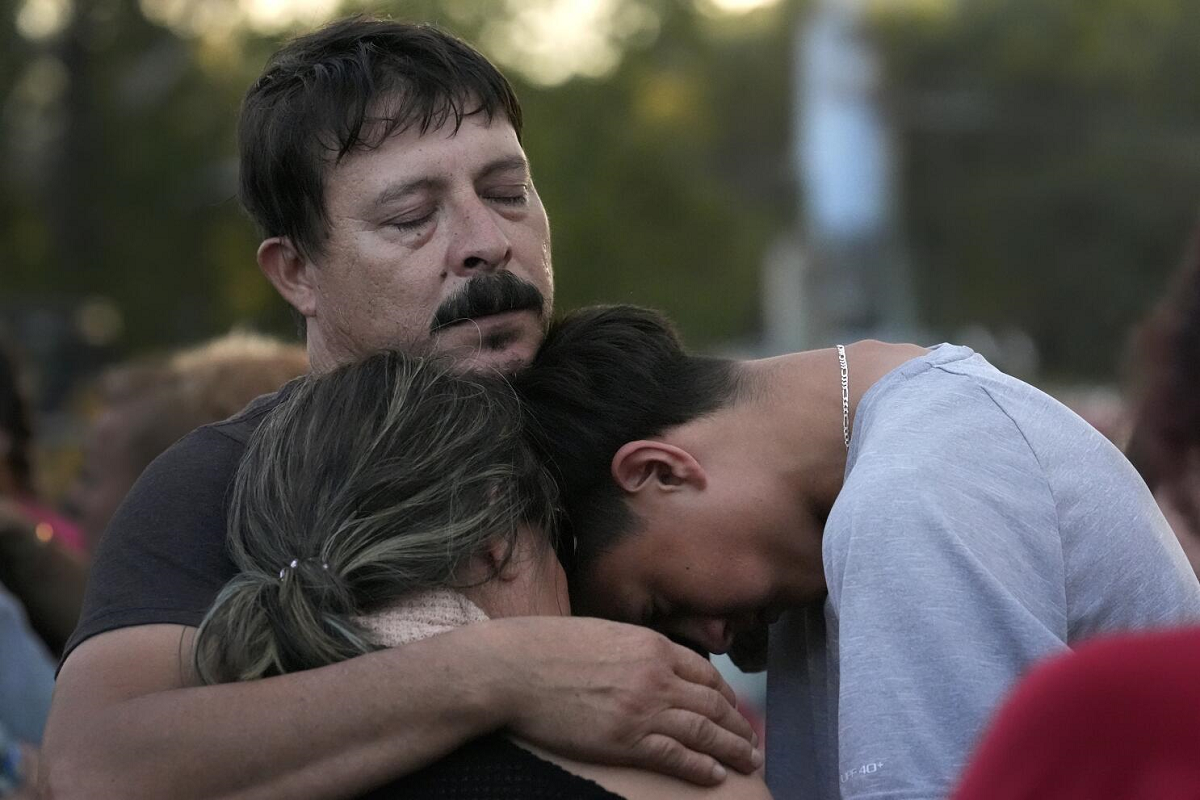

I provide bilingual grief counseling specifically designed for Latino families who are navigating loss while living between two cultures. In our sessions, you can express yourself in whatever language feels most natural in the moment.
Whether it’s Spanish when discussing family memories, English when talking about life in Denver, or a beautiful mix of both that reflects your authentic experience. You don’t have to choose which to use—both languages are completely welcome here.
I understand that grief lives differently in different languages. I create safe space for you to explore your pain in the language that holds your deepest emotions.
Sometimes the words for what you’re feeling only exist in Spanish. Other times, English might better capture your experience of loss here in America. In our sessions, we honor both parts of your identity.
As a therapist who understands the bicultural experience, I recognize the unique challenges Latino families face during grief. Together we navigate family expectations, cultural traditions, and the reality of living between two worlds.
Your healing process deserves to be respected and understood completely. Here you won’t have to explain your culture or translate your feelings—you can simply be yourself as we work toward your wellbeing.
In our work together, we will honor both your cultural heritage and your current life circumstances. I will help you understand that your grief doesn’t have to fit anyone else’s timeline or expectations.
We will explore how your family’s traditions around death and mourning can be sources of comfort. We also recognize the ways that American life may require different approaches to healing.
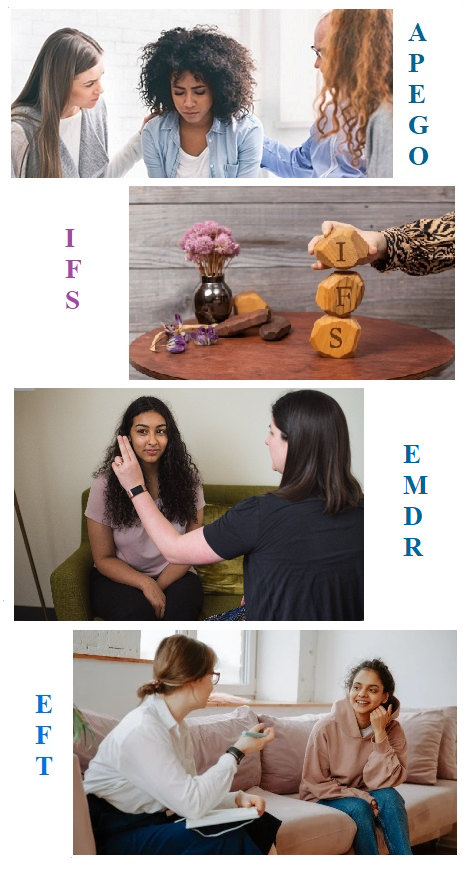
I use therapeutic methods that have been proven effective for grief and trauma, adapted to your unique experience:
Attachment-Based Therapy – Will help you understand how early relationships affect your response to grief.
Internal Family Systems (IFS) – Honors all parts of yourself, including the part that maintains cultural traditions and the part that has adapted to life in America.
EMDR – Eye Movement Desensitization and Reprocessing to process traumatic aspects of loss.
Emotionally Focused Therapy (EFT) – Strengthens family connections during difficult times.
Together we will explore how immigration experiences may be complicating your grief. Perhaps you’re dealing with “ambiguous loss” – mourning family members who are alive but separated by distance or immigration status.
Maybe you’re grieving the loss of your homeland while simultaneously feeling grateful for opportunities in America. This complex mixture of emotions is difficult to untangle, but we will work together to find clarity.
We will also address how gender roles in Latino culture might be affecting your expression of grief. If you are a man struggling with cultural expectations of being the family’s rock while desperately needing to mourn, we will work on finding healthy ways to honor both needs.
If you are a woman carrying everyone else’s pain while neglecting your own, we will focus on giving you permission to prioritize your healing. Your emotional wellbeing is fundamental to being able to care for others.
For parents, we will explore how to help your children navigate grief across cultures. We will give them tools that work both in their Latino heritage and in their American environment.
Many Latino families have beautiful traditions that support healing from loss. Lighting candles for departed loved ones, creating altars with photographs and meaningful objects, or gathering the family for prayer circles are powerful practices.
Instead of viewing these practices as separate from therapy, I integrate respect for these traditions into our work together. You don’t have to choose between your culture and modern healing.
We might discuss how your family’s Day of the Dead celebrations can become part of your healing process. We will also explore how the concept of personalismo can guide your grief recovery.
Your spiritual beliefs, whether rooted in Catholicism, indigenous traditions, or other faith practices, are welcomed and woven into our therapeutic approach. Your faith can be a source of strength, not an obstacle.
This integration of traditional wisdom with evidence-based techniques creates a uniquely powerful healing experience that feels authentic to who you are.
Latino families in Denver face unique grief challenges that require specialized understanding. Perhaps you’re dealing with survivor’s guilt for having achieved the life in America that your loved one dreamed of but never got to experience.
You might be struggling with decisions about where to bury a family member – in their homeland or in the country that became their home. These decisions don’t have easy answers, but we can explore them together.
We might also explore how language barriers have affected your ability to communicate fully with medical professionals during your loved one’s illness. This can create regret and unanswered questions that need to be processed.
These unique aspects of immigrant grief require a specialized approach that honors the complexity of your experience. You are not alone in these complicated feelings.
In our sessions, we will create space for all these complicated emotions. We will help you find peace with the difficult decisions you’ve had to make while navigating unfamiliar systems during moments of crisis.
If you’re ready to begin this healing journey with someone who understands your cultural background and speaks your language, I invite you to call me at (720) 276-9188 for a free 15-minute consultation. We can discuss your specific needs and how bilingual, culturally sensitive grief counseling can support you and your family.
Few things in a relationship are as frustrating as trying to resolve a disagreement only
As parents, our primary instinct is to keep our children safe, happy, and confident. However,
Family can be one of our strongest sources of love, support, and identity. At the
On paper, your life looks solid. You might have job security, supportive relationships, a stable
Life has a way of delivering unexpected disruptions—a breakup, the loss of a job, a
When society talks about depression, the conversation usually centers around emotional symptoms: feeling sad, hopeless,
Address:
Denver Latino Counseling
6767 South Spruce Street, Suite 215
Englewood, CO 80112
Our therapy office is conveniently located in Englewood, Colorado, just minutes from Denver, Aurora, and Centennial. We are close to Arapahoe Marketplace and a short drive from Park Meadows Mall.