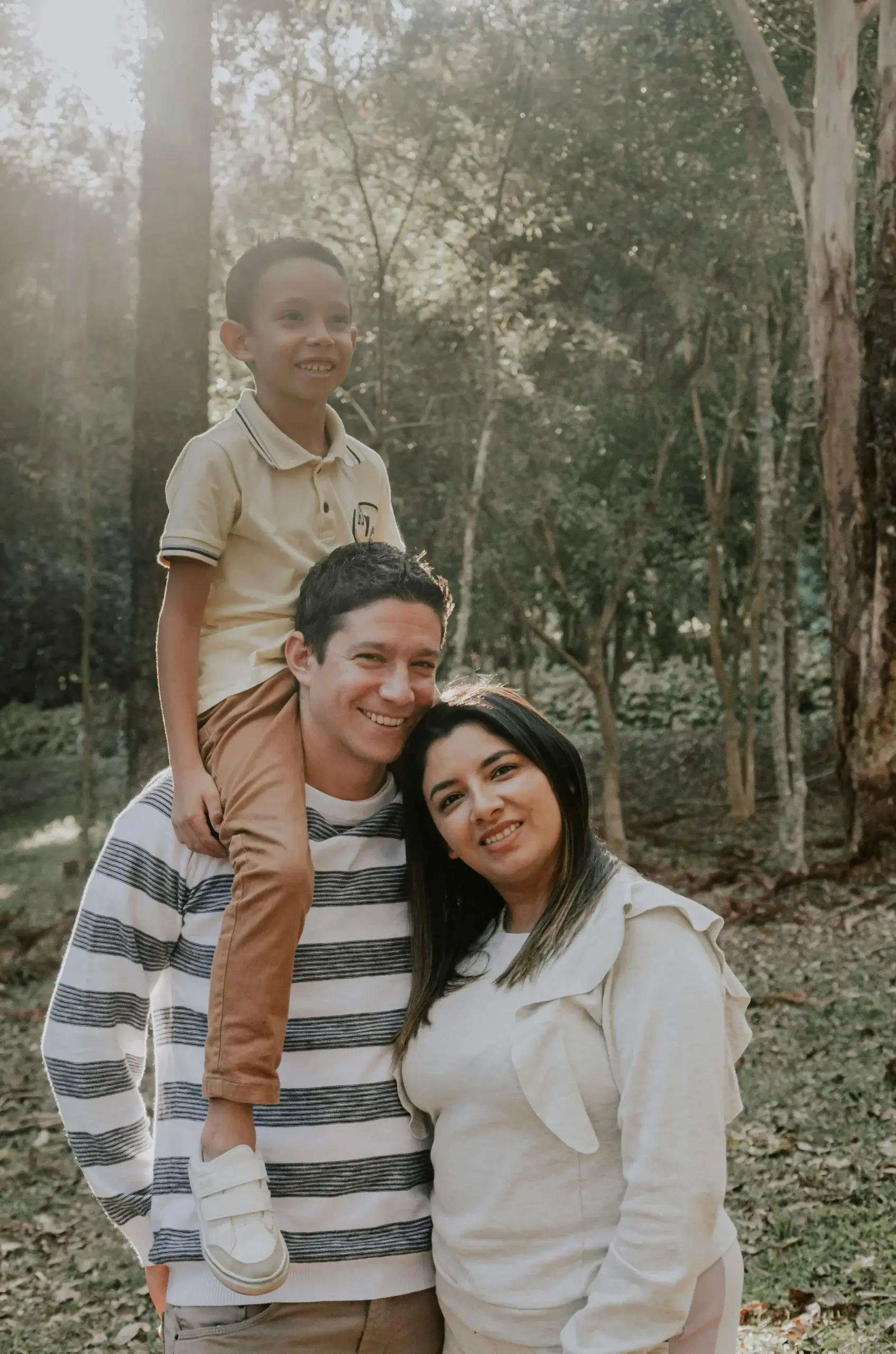

In today’s world, news about community violence or global conflict can reach our children in seconds through social media or school conversations.
For many Hispanic families, this fear is layered with the desire to protect our children from the same hardships we may have faced. When a child feels unsafe, it affects their ability to learn, play, and grow.
Throughout the following sections, we will explore practical ways to identify anxiety in your little ones, effective communication strategies for tough topics, and how the support of a Spanish speaking therapist Denver can help your family restore a lasting sense of peace and security.
Why Violence Impacts the Latino Household Differently
In our community, la familia is our sanctuary. When violence feels close—whether it is in the news or in the local neighborhood—it threatens that sense of sacred safety.
Many Hispanic parents carry their own past traumas, and seeing a child afraid can trigger those old wounds. We want our children to have a life of peace (paz), and when violence disrupts that, it can feel like a failure of our protection. However, the most powerful tool you have to help your child is your presence and your willingness to listen.
Signs Your Child is Struggling with Fear
Children often do not have the words to say, “I am afraid of what I saw on the news.” Instead, their fear speaks through their actions.
Watch for these changes in your child or teen:
- Regression: A child who starts wetting the bed again or becomes unusually clingy (apegado).
- Physical Complaints: Frequent stomach aches or headaches, especially on school mornings.
- Avoidance: Refusing to go to certain places or becoming hyper-aware of exits and surroundings.
- Sleep Disturbances: Difficulty falling asleep or having nightmares about being separated from you.
If you notice these behaviors persisting for more than a few weeks, specialized child therapy in Denver can provide your child with the tools to process these big emotions.
How to Talk to Your Child About Safety
Many parents avoid the topic of violence because they don’t want to “put ideas” in their child’s head. However, if they are feeling it, they need to hear from you.
1. Start with Listening
Ask them, “What have you heard at school today?” Let them share their version of the story first. This prevents you from giving them more information than they are ready for.
2. Provide Simple Truths
You don’t need to explain the complexities of the world. Focus on the helpers. Say, “There are many adults working very hard to keep your school safe.”
3. Limit “News Poisoning”
In many of our homes, the news is on in the background all day. For a child, seeing the same violent image repeated on the screen feels like it is happening over and over again. Turn off the TV and limit social media exposure for younger children.
Creating a “Culture of Safety” at Home
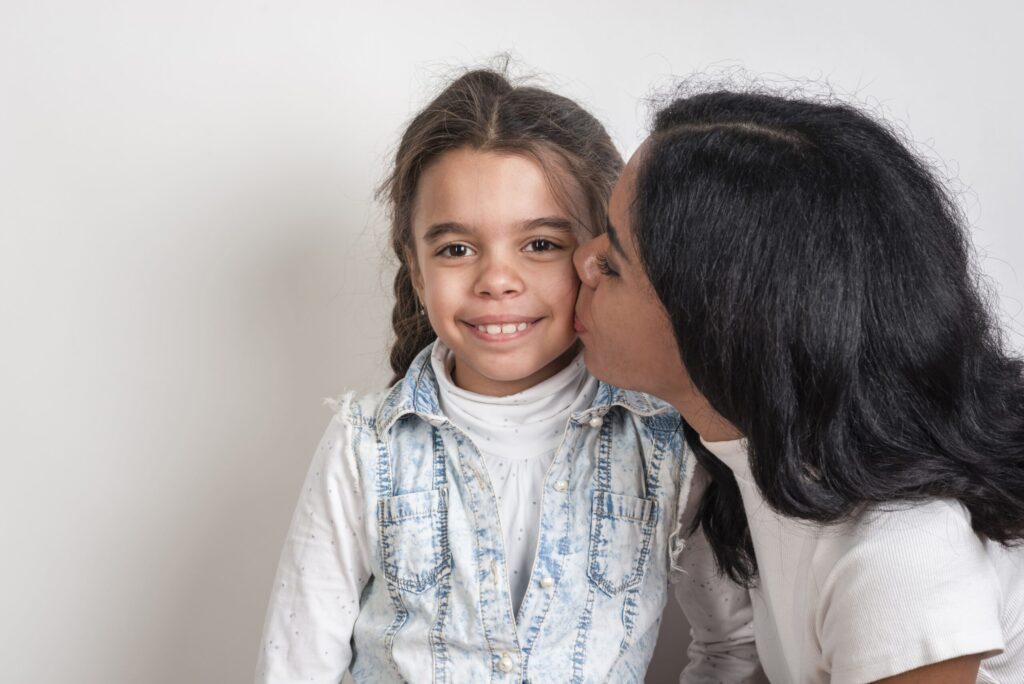
While we cannot control the outside world, we can control the environment inside our four walls. Building a predictable routine is the best medicine for an anxious child.
- Maintain Traditions: Continue with your family dinners, Sunday walks, or religious practices. These traditions act as an “anchor.”
- Physical Affection: A long hug tells a child’s nervous system that they are safe in your arms.
- Open Dialogue: Make it clear that in your house, no question is “too scary” to ask.
If the atmosphere at home feels heavy with worry, looking into anxiety therapy in Denver for the family can help everyone breathe a little easier.
The Strength of Healing in Your Native Language
When a child is afraid, they need the comfort of the language they hear at home. A Spanish speaking therapist Denver understands the specific nuances of how we talk about safety and protection.
They understand the importance of bendiciones, the role of the extended family, and the specific fears that may come with being part of a minority community. In bilingual therapy, your child can express their deepest fears in the language that feels most like “home.”
Overcoming the “Stay Strong” Stigma
In our culture, we are often told to echarle ganas and just keep going. We don’t want our children to be “weak.” But acknowledging fear is not weakness—it is the first step toward bravery.
How Therapy Helps Your Child:
- Validation: They learn that it is normal to feel scared when the world feels loud.
- Coping Skills: They learn breathing and grounding exercises to use when they feel a “pico de miedo.”
- Empowerment: They move from feeling like a victim of their fears to feeling like they have a plan.
Conclusion: You Are the Expert on Your Child

No one knows your child better than you do. Your love and your attention are the most important factors in their recovery from fear. By creating a safe space for them to speak and seeking professional help when the burden feels too heavy, you are teaching them that they never have to face the world alone.
Healing from the fear of violence takes time, but with the right support, your child can return to the joy of just being a kid.
Take the Next Step Toward Your Family’s Peace
At Denver Latino Counseling, we specialize in helping children and parents navigate the anxieties of the modern world. We offer a bilingual, culturally sensitive space where your family’s safety is our priority.
We serve families in Denver, Aurora, Commerce City, Thornton, Westminster, and Littleton. We are committed to making mental health accessible, which is why we accept Medicaid (Aceptamos Medicaid) and offer flexible payment options.
Contact Us Today Schedule your free 15-minute consultation — available in Spanish or English.
Su familia merece vivir con tranquilidad. Estamos aquí para proteger su bienestar emocional. (Your family deserves to live with peace of mind. We are here to protect your emotional well-being.)
If you are looking for counseling for Hispanic families, Denver Latino Counseling is here to help.

Vanessa Richards, LPC is a bilingual psychotherapist with 18 years of experience helping children, teens, adults, couples, and families overcome trauma, anxiety, depression, and relationship challenges. She specializes in EMDR and IFS to help clients build resilience and emotional well-being.