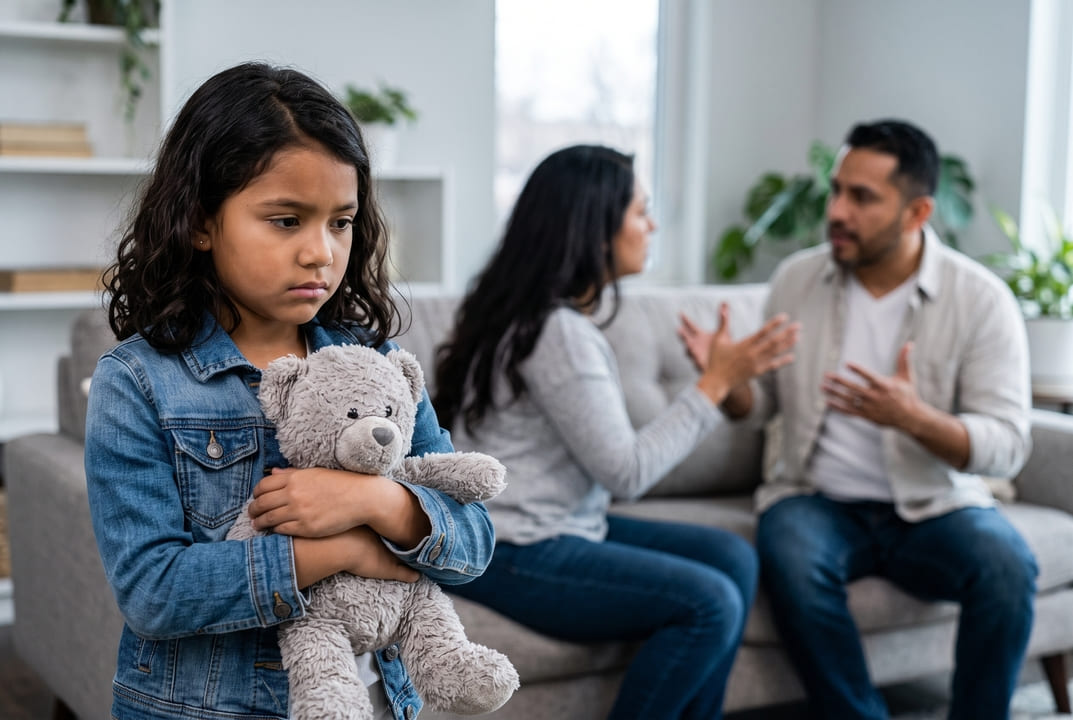
When a marriage faces deep conflict, distance, or unhappiness, parents often find themselves facing one of the most agonizing decisions of their lives: “Should we stay together for the children, or is separation better for their well-being?”
It is natural to want to protect your kids from the pain, disruption, and uncertainty of divorce. However, remaining in a high-conflict or emotionally empty household can also take a quiet, lasting toll on a child’s development.
Throughout this guide, you will learn how staying together in a unhappy marriage impacts children, how cultural expectations in Latino homes influence this decision, and how working with a Spanish speaking therapist in Denver can help you find clarity and peace.
The hidden reality of “staying together for the kids”
Many parents believe that keeping the family unit under one roof automatically protects their children’s emotional health. However, psychological research shows that the quality of the home environment matters far more than the marital status of the parents.
Children absorb unspoken tension
Even when parents try to avoid arguing in front of their kids, children possess an acute emotional radar. They pick up on subtle coldness, passive-aggressive remarks, or silent resentment. Growing up in a household filled with chronic tension can leave children feeling perpetually anxious or on edge.
Modeling relationships for the future
Parents are a child’s first model of what love, partnership, and conflict resolution look like. When children watch their parents live in a loveless or high-conflict marriage, they may internalize unhealthy patterns, believing that emotional distance, disrespect, or self-sacrifice are normal parts of adult relationships.
Warning signs that marriage tension is affecting your children
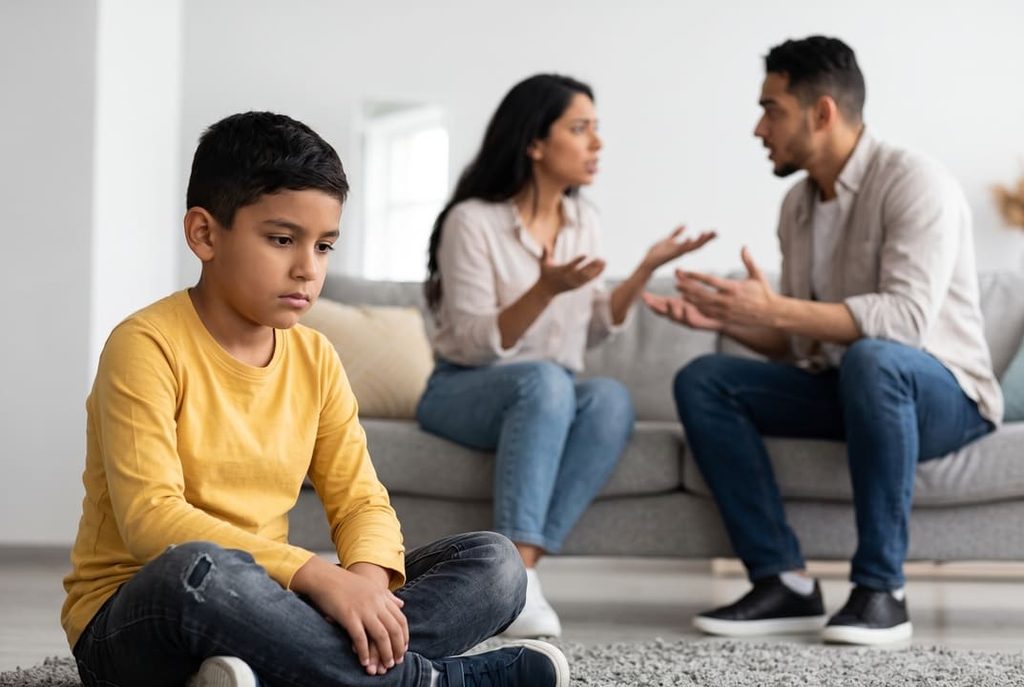
Recognizing how relationship conflict manifests in your children can help you evaluate your current path:
- Increased anxiety or behavioral outbursts: Frequent tantrums, sudden irritability, or difficulty concentrating at school due to home stress.
- Becoming the “peacekeeper” (parentificación): A child trying to mediate arguments or constantly worry about keeping their parents happy.
- Physical symptoms (somatización): Complaints of stomach aches (dolor de estómago) or headaches without a clear medical cause.
- Emotional withdrawal: Isolating in their room or avoiding family interactions to escape tension.
If you are struggling to navigate high marital conflict, seeking specialized couples therapy in Denver can help both partners break unhealthy cycles and protect their children’s peace.
Cultural dynamics: family preservation in latino homes
In Hispanic households, the decision to separate carries profound cultural weight.
The pressure of “familismo” and social stigma
Latino culture strongly emphasizes family unity (familismo) and keeping the household intact at all costs. The fear of social judgment (el qué dirán), disappointing extended family, or feeling like you have failed your heritage can cause parents to endure chronic unhappiness for decades.
Sacrificing personal well-being for the family
In many traditional homes, self-sacrifice (sacrificio) is viewed as a virtue, especially for mothers. However, sacrificing your mental health to maintain an unhealthy relationship can lead to parental burnout, depression, and unresolved resentment.
Key Questions to Help You Gain Clarity
If you are caught between staying or leaving, asking yourselves these fundamental questions can provide direction:
- Is the home environment safe and respectful? High conflict, verbal hostility, or emotional neglect create a toxic environment for children regardless of marital status.
- Can we commit to genuine repair? Are both partners willing to participate in therapy and actively work on rebuilding communication and trust?
- Are we co-parenting cooperatively? Whether staying together or separating, working as a unified team minimizes emotional harm to your kids.
Healing without a translator: why bicultural therapy matters
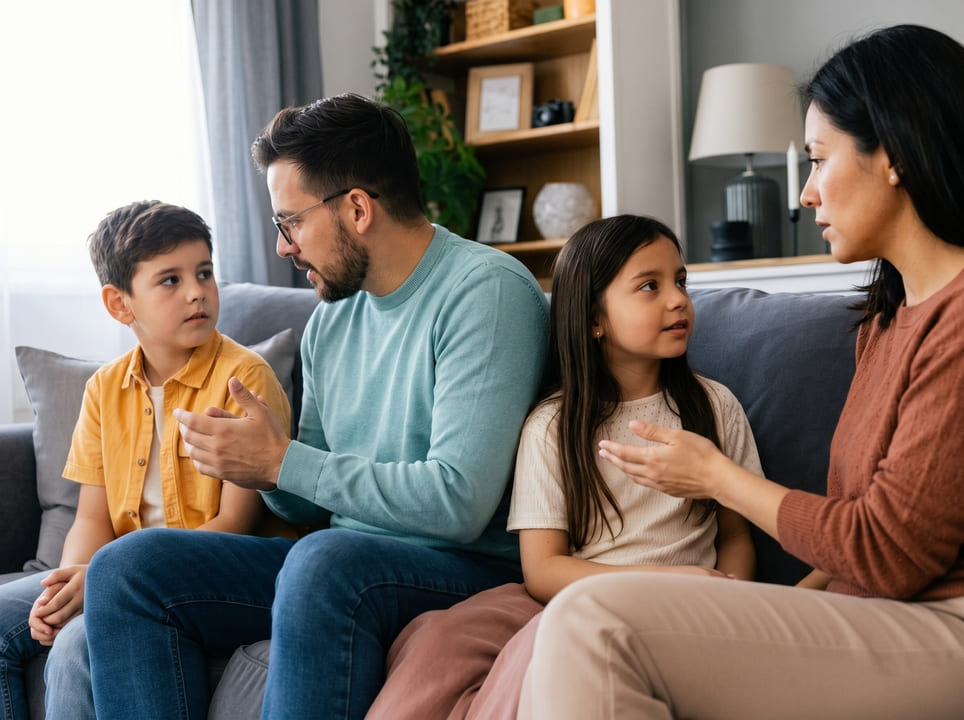
Deciding the future of your marriage requires a supportive space where your values, cultural background, and family ties are honored. Choosing a Spanish speaking therapist in Denver allows couples to express complex emotions in the language that feels most natural.
A bilingual, culturally informed therapist understands family structures, gender expectations, and the nuance of balancing personal well-being with family loyalty. Counseling can help you determine whether your relationship can be repaired or guide you through a healthy, peaceful transition if separation is the best path forward.
Overcoming stigma: prioritizing healthy family dynamics
Seeking guidance before making life-altering decisions is an act of courage and responsibility.
How therapy helps you navigate this crossroads:
- Provides objective emotional clarity: Helps you distinguish between temporary marital rough patches and unresolvable incompatibility.
- Protects your children’s well-being: Focuses on reducing home conflict and establishing a stable, loving environment for your kids.
- Fosters healthy co-parenting: Teaches effective communication skills so both parents can support their children with mutual respect, whether living together or apart.
Take the next step toward lasting peace
Denver Latino Counseling provides compassionate, bilingual, and culturally specific therapy tailored for adults, couples, and families.
We specialize in treating relationship conflict, family transitions, anxiety, and generational stress using evidence-based care that respects your values and your heritage. We proudly serve families throughout Denver, Aurora, Commerce City, Thornton, Westminster, and Littleton.
To ensure quality mental healthcare remains accessible to our entire community, we proudly accept Medicaid (Aceptamos Medicaid) and offer flexible payment options for all families.
Contact Us Today Schedule your free 15-minute consultation — en español o inglés.
No tienes que cargar este peso solo. Estamos aquí para ayudarte. You don’t have to carry this weight alone. We’re here to help.
If you are looking for specialized relationship counseling in Denver, Denver Latino Counseling is here to help.

Vanessa Richards, LPC is a bilingual psychotherapist with 18 years of experience helping children, teens, adults, couples, and families overcome trauma, anxiety, depression, and relationship challenges. She specializes in EMDR and IFS to help clients build resilience and emotional well-being.