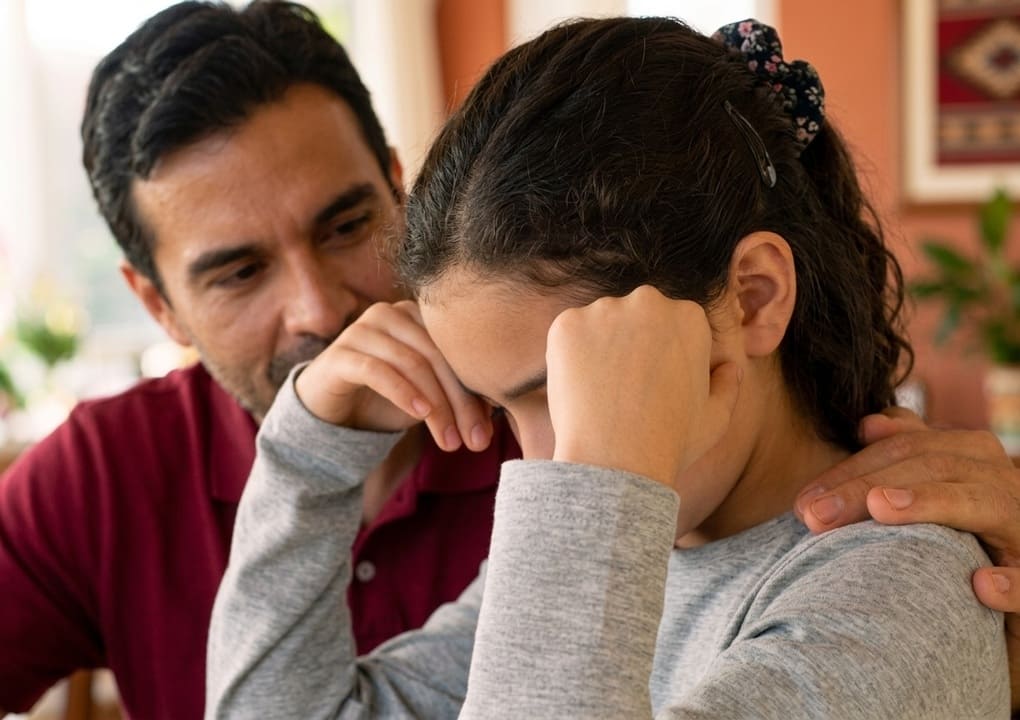

Infidelity is one of the most devastating experiences a couple can go through. It brings feelings of betrayal, deep emotional pain, anger, a loss of trust, and often an identity crisis both individually and as a couple. Yet, through clinical work with hundreds of couples, I have seen that although the process is arduous, many relationships not only can survive infidelity but can emerge stronger when both partners are committed to healing.
Understanding Infidelity
Before talking about recovery, it’s essential to define what infidelity really is. It’s not limited to sexual encounters with someone outside the relationship—it may also involve intense emotional connections, virtual relationships, sexting, or even platonic ties that cross the intimacy boundary agreed upon by the couple.
Each couple sets (or should set) clear boundaries around what fidelity means. When those boundaries are violated, an emotional fracture occurs that can feel as painful as a physical wound.
Factors That Contribute to Infidelity
Understanding contexts doesn’t mean excusing the betrayal, but it can provide clarity on its roots. Common contributing factors include:
- Emotional or sexual dissatisfaction
- Poor communication
- Personal crises (e.g., grief or depression)
- Lack of emotional connection
- Low self-esteem
- Impulsivity or seeking external validation
- Excessive social media use
Acknowledging these factors doesn’t minimize the harm, but allows for a broader perspective when reforming the relationship.
The Emotional Impact
For the betrayed partner, it often feels like post-traumatic stress: intrusive memories, difficulty trusting, insomnia, appetite disturbances, anxiety, and obsessive thoughts. The unfaithful partner may experience guilt, shame, and internal conflict.
In therapy, both partners should be guided to express these emotions in a safe, structured environment—without judgment, guilt, or minimization of anyone’s pain.
Is It Possible to Rebuild Trust?
Trust, once shattered, cannot be instantly restored—it requires time, transparency, and consistent effort. Essential steps often include:
- Full cessation of the unfaithful behavior: No gray areas or ongoing parallel relationships.
- Transparency: The unfaithful partner must be willing to answer tough questions honestly and, if needed, grant access to messages or locations.
- Accountability: Acknowledgement of the decision to betray trust, without minimizing or blaming.
- Validation of hurt: Recognizing and honoring the partner’s pain.
- Commitment to change: Both partners engage in therapy and daily actions that rebuild emotional closeness.
The Role of Therapy
A couples therapist plays a critical role in facilitating healing. Some techniques include:
- Creating safe spaces for uninterrupted, non-judgmental sharing of feelings.
- Helping each partner understand their role in the relationship’s dynamics.
- Rebuilding emotional and physical intimacy.
- Teaching honest, empathetic communication.
- Guiding the transition from an old narrative to a new shared story.
Why Some Relationships Become Stronger
Couples who choose to rebuild often engage in deep, transformative conversations they might never have had otherwise. This leads to:
- Greater self-awareness and mutual understanding
- Structural changes in how they emotionally connect
- Deeper and more meaningful intimacy
- Better conflict-resolution strategies
- Shared values and life goals redefined together
Paradoxically, many couples say infidelity was the “turning point” that allowed them to create something healthier and more resilient.
What If It Can’t Be Overcome?
Not every relationship survives infidelity—and that’s okay. Sometimes the pain runs too deep, trust cannot be rebuilt, or one or both partners choose not to continue. In those cases, therapy aims to guide a respectful and healthy separation, especially if children are involved.
Leaving a relationship post-infidelity is not failure—it can be an act of personal dignity when it’s clear a healthy future together isn’t possible.
Signs That Healing Is Possible
Here are indicators that the relationship may have a future:
- Genuine remorse: The unfaithful partner feels true regret and a desire to repair.
- Commitment to therapy: Both partners are willing to seek and engage in professional support.
- Open communication: They can discuss painful issues without hostility or withdrawal.
- Strong pre-infidelity foundation: A positive relational history increases chances of success.
- No violence or abuse: Healthy boundaries must be maintained.
How to Begin the Healing Process
Practical steps to start recovery:
- Avoid making impulsive decisions in the immediate aftermath.
- Seek professional help promptly.
- Keep details private from public forums or social media until emotions are processed.
- Give yourself time—healing may take months or even years.
If you’re the betrayed partner, honor your pain but also listen to your own voice about the future.
Final Reflection
Infidelity doesn’t have to be the end of your relationship story—it can mark the beginning of a transformative journey of personal and relational growth. That said, rebuilding is neither automatic nor guaranteed; it requires hard work, dedication, and a mutual willingness to heal.
At Sol Counseling, we’ve supported many couples on this challenging path. We understand there’s no one-size-fits-all solution—every relationship is unique and deserves compassionate, professional guidance.
Need help navigating this crisis?
Are you or your partner struggling to cope with the pain of infidelity? You don’t have to go through this alone. At Sol Counseling, we provide a safe, professional environment to help you process what happened, heal deep wounds, and rebuild—if that’s your shared wish—a stronger relationship. Schedule a consultation with us, and let’s take the first step towards emotional recovery together.

Vanessa Richards, LPC is a bilingual psychotherapist with 18 years of experience helping children, teens, adults, couples, and families overcome trauma, anxiety, depression, and relationship challenges. She specializes in EMDR and IFS to help clients build resilience and emotional well-being.