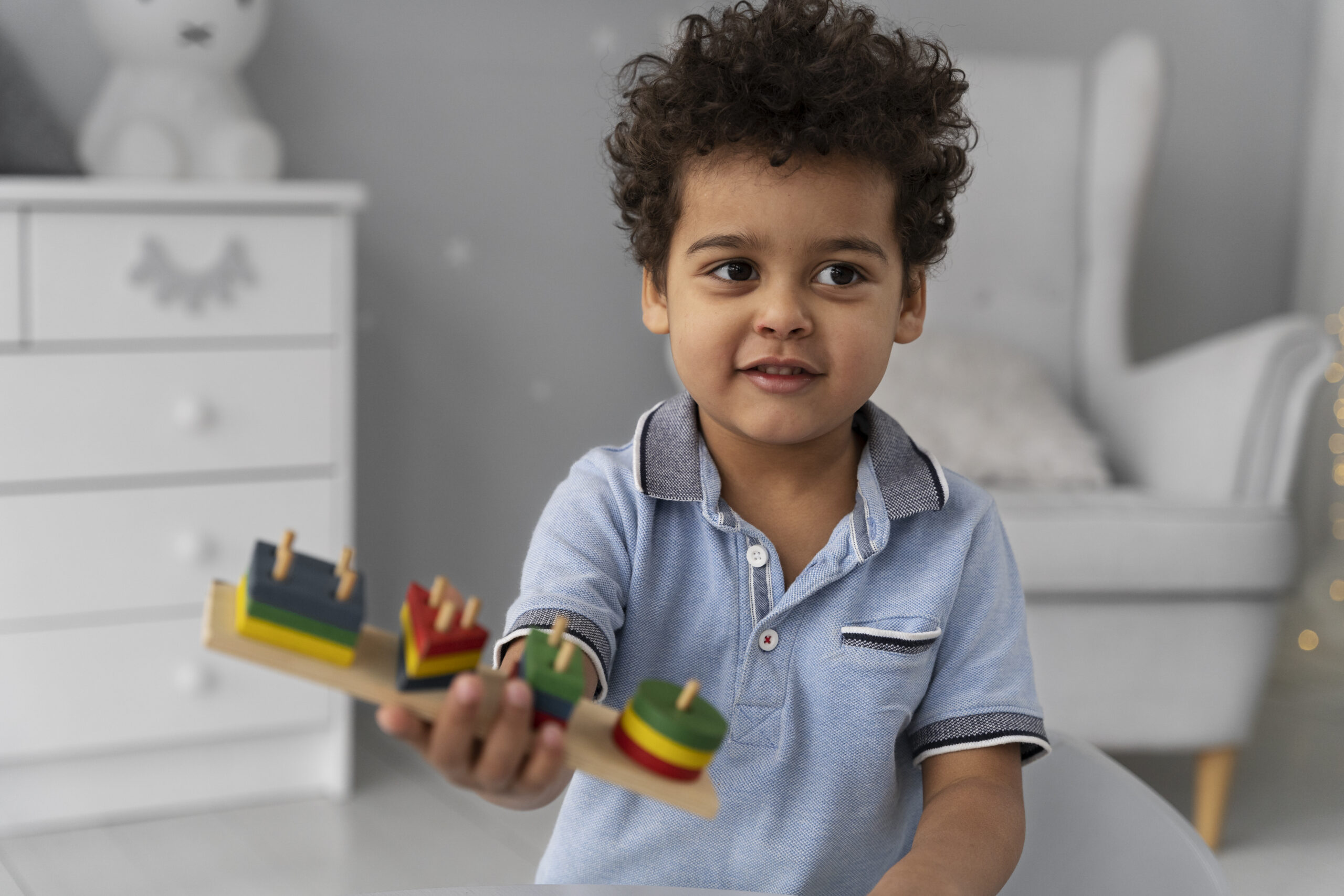
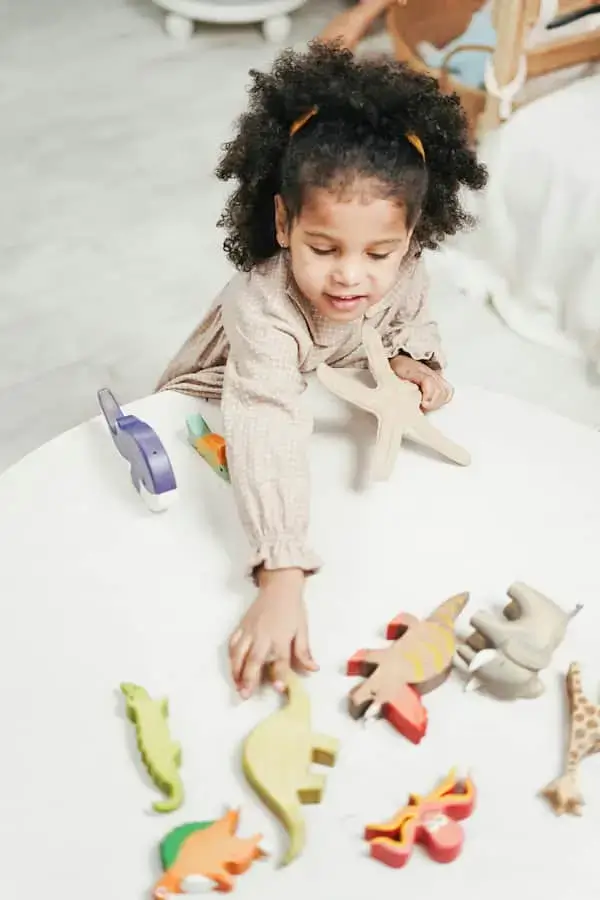
Anxiety in children is more common than many people realize, affecting their ability to engage in daily activities, form relationships, and express emotions. Unlike adults, children often struggle to articulate their feelings verbally, making it challenging for caregivers and professionals to understand their internal struggles. Play therapy provides a developmentally appropriate and effective way for children to express emotions, process experiences, and develop coping strategies.
This article explores how play therapy helps children with anxiety, the techniques used, and the benefits it provides in fostering emotional expression and healing.
Understanding Anxiety in Children
Anxiety in children can manifest in various ways, including excessive worry, sleep disturbances, difficulty concentrating, clinginess, and even physical symptoms like headaches or stomach aches. While some anxiety is normal, persistent or overwhelming anxiety can interfere with a child’s well-being.
Common causes of anxiety in children include:
• Separation from caregivers (separation anxiety)
• Social pressures (social anxiety)
• Academic stress
• Traumatic experiences
• Changes in routine, such as moving or parental divorce
Because young children often lack the vocabulary and emotional awareness to express their anxieties, they may act out, withdraw, or develop nervous habits instead. This is where play therapy becomes an essential tool in helping children process their emotions in a way that feels natural to them.
What Is Play Therapy?
Play therapy is a structured, evidence-based approach that allows children to use play as a means of communication and emotional processing. Unlike free play, therapeutic play is guided by a trained therapist who helps children explore their thoughts and emotions through toys, games, storytelling, and creative activities.
Play therapy operates on the principle that play is the child’s natural language, just as talking is for adults. By engaging in play, children can express feelings they may not be able to verbalize, process traumatic experiences, and develop coping strategies for managing anxiety.
There are two main types of play therapy:
1. Directive Play Therapy – The therapist guides the child toward specific activities and themes to address particular emotional or behavioral concerns.
2. Non-Directive Play Therapy – The child leads the session, choosing activities freely while the therapist provides a safe and accepting environment for expression.
Both approaches help children feel heard and understood while fostering emotional resilience.
How Play Therapy Helps Children with Anxiety
1. Provides a Safe Space for Expression
Children with anxiety often feel overwhelmed by their emotions but may not know how to communicate them. Play therapy creates a non-threatening environment where they can express themselves freely.
For example, a child who struggles with separation anxiety may use dolls or stuffed animals to act out a scenario of being away from a parent, revealing their underlying fears in the process. The therapist can then help the child work through those fears in a supportive setting.
2. Reduces Stress and Builds Emotional Regulation
Play itself is therapeutic. Engaging in creative activities such as sand play, painting, or storytelling helps children release built-up tension and anxiety.
Additionally, therapists use play to teach emotional regulation techniques, such as:
• Breathing exercises (blowing bubbles to practice slow, deep breaths)
• Sensory play (using calming textures like kinetic sand or water play)
• Role-playing (practicing ways to handle anxiety-provoking situations)
Through repeated play sessions, children develop healthy coping mechanisms they can use outside of therapy.
3. Helps Identify Triggers
Children often express their fears through symbolic play. For example, a child who has been bullied may act out aggressive or fearful scenarios with toy figures. By observing patterns in a child’s play, therapists can identify underlying stressors and tailor interventions accordingly.
Once triggers are recognized, therapists can work with children (and their caregivers) to create personalized coping strategies that reduce anxiety in real-life situations.
4. Encourages Problem-Solving and Confidence
Children with anxiety often feel powerless in the face of their fears. Through play therapy, they can practice problem-solving and decision-making in a controlled environment.
For example, in a board game or pretend play scenario, a therapist might guide a child through challenges that mirror their real-world struggles, encouraging them to find solutions and build confidence.
This type of experiential learning helps children gain a sense of control over their emotions and develop resilience.
5. Strengthens the Child-Therapist Relationship
A strong therapeutic relationship is essential for emotional healing. Play therapy fosters trust between the child and therapist, making it easier for the child to open up over time.
A child who struggles with social anxiety, for instance, may initially be hesitant to engage but gradually becomes more comfortable as they experience positive, judgment-free interactions during sessions.
This trust extends beyond therapy, helping children feel more secure in their relationships with parents, teachers, and peers.
Common Play Therapy Techniques for Anxiety
1. Sand Tray Therapy
Children use figurines, miniature objects, and sand to create scenes that represent their thoughts and emotions. This allows therapists to observe themes and guide children through processing their experiences.
2. Art Therapy
Drawing, painting, or sculpting provides an outlet for emotional expression. A child might draw their worries as monsters, allowing the therapist to discuss and “shrink” the monsters through creative storytelling.
3. Doll and Puppet Play
Using dolls or puppets allows children to project their emotions onto characters, making it easier for them to discuss their fears indirectly.
4. Storytelling and Bibliotherapy
Reading or creating stories about characters facing challenges similar to the child’s can normalize their feelings and teach coping skills in a relatable way.
5. Role-Playing
Practicing anxiety-provoking situations (like meeting new people or speaking in class) through pretend play helps children feel more prepared and less fearful in real life.
The Role of Parents in Play Therapy
While play therapy occurs in a clinical setting, parents play a crucial role in reinforcing its benefits. Therapists often involve parents by:
• Providing updates on progress
• Suggesting therapeutic play activities at home
• Teaching parents anxiety-reducing techniques to use with their child
By creating a supportive environment outside of therapy, parents help children integrate their new coping skills into daily life.
Final Thoughts
Play therapy is a powerful tool for helping children with anxiety express their emotions, develop coping strategies, and build emotional resilience. By providing a safe space for expression, reducing stress, and strengthening problem-solving skills, play therapy allows children to navigate their fears in a way that feels natural and empowering.
If your child struggles with anxiety, consider seeking a certified play therapist who can tailor sessions to their unique needs. With the right support, children can learn to manage their anxiety and lead healthier, happier lives.
Would you like help finding play therapy resources or practitioners in your area? Let me know!

Vanessa Richards, LPC is a bilingual psychotherapist with 18 years of experience helping children, teens, adults, couples, and families overcome trauma, anxiety, depression, and relationship challenges. She specializes in EMDR and IFS to help clients build resilience and emotional well-being.