
Learn how social media affects Latino teens’ self-esteem and when to seek help. Culturally sensitive bilingual therapy in Englewood, CO. (720) 276-9188
How Social Media Affects Your Teen’s Self-Esteem: A Guide for Latino Parents
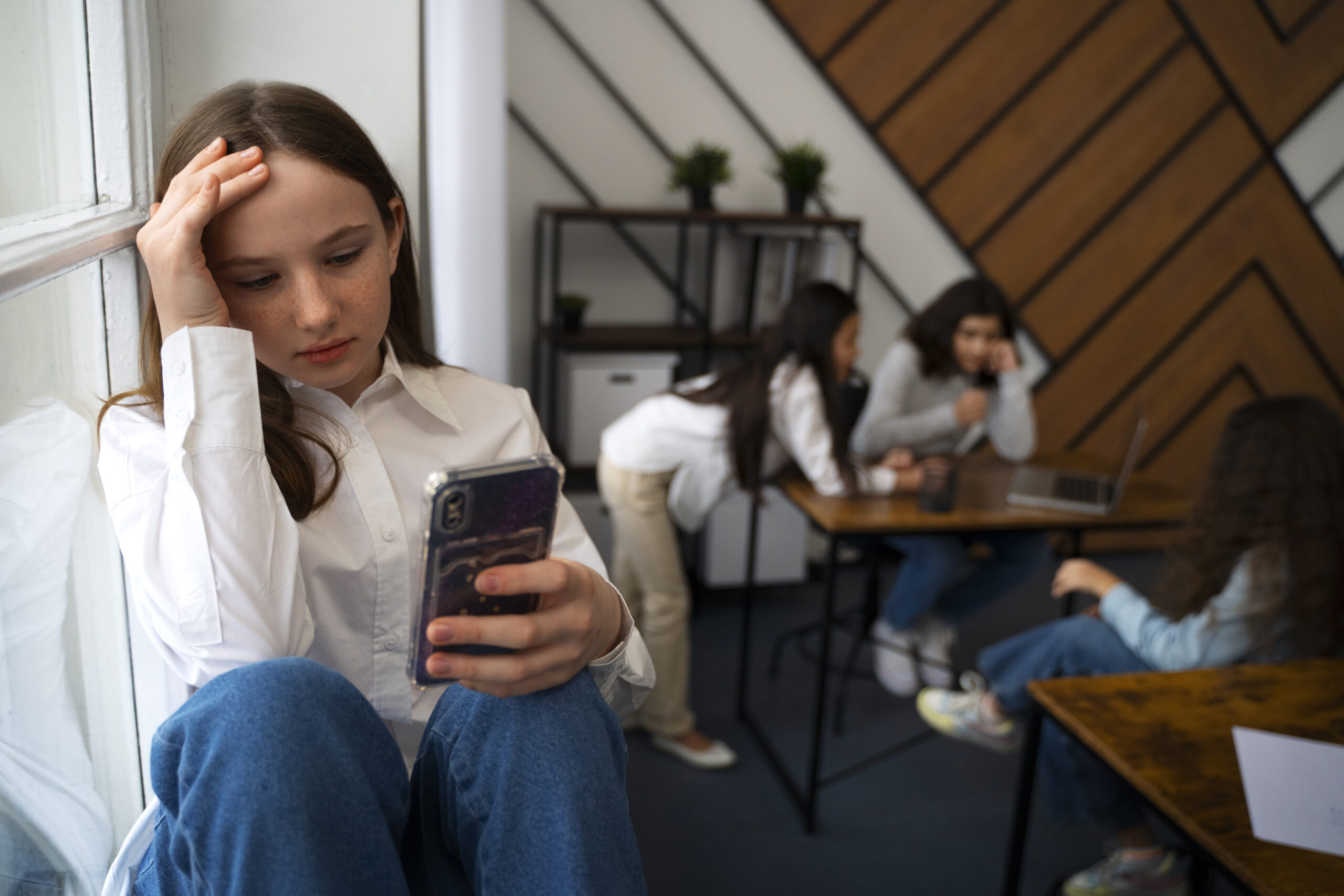
Has your teenager become more withdrawn or anxious since getting a smartphone? Do they constantly check their phone, comparing themselves to influencers and peers online? Are you worried about how social media might be affecting their confidence and mental health?
You’re not alone in these concerns. Social media has transformed how our children see themselves and the world around them. For Latino teens navigating between two cultures, these digital pressures can be particularly intense as they encounter idealized images, cyberbullying, and constant social comparison that can deeply impact their self-worth.
As Latino parents, you may feel caught between wanting to stay connected to modern technology and protecting your child’s emotional wellbeing. You might wonder if you’re being too strict or not vigilant enough. The truth is that social media isn’t inherently good or bad—but understanding its impact on your teen’s self-esteem is crucial for helping them navigate this digital world safely.
At Denver Latino Counseling, our bilingual therapists work with Latino families throughout the Denver metro area to address the unique challenges teens face with social media and self-esteem. This guide will help you understand these issues and know when professional support might benefit your family.
Understanding Social Media’s Impact on Teen Self-Esteem
Social media platforms are designed to be addictive. Every like, comment, and share triggers dopamine release in the brain, creating a reward cycle that keeps teens coming back for more. But this constant engagement comes with significant costs to their self-esteem and mental health.
Research shows that teens who spend more than three hours daily on social media face double the risk of mental health problems, including anxiety and depression. The comparison trap is real—when your teen scrolls through carefully curated posts showing “perfect” lives, bodies, and experiences, their own life can feel inadequate by comparison.
For Latino teens, these pressures multiply. They may see limited representation of their culture, or encounter unrealistic beauty standards that don’t reflect their features or heritage. They might feel pressure to present a certain image online while navigating different cultural expectations at home, creating internal conflict that erodes self-worth.
The Unique Challenges for Latino Teens
Latino adolescents face specific challenges in the social media landscape that can uniquely impact their self-esteem. Cultural identity struggles become amplified online, where they may encounter both subtle and overt discrimination, stereotypes, or pressure to conform to American beauty standards.
Cultural identity confusion intensifies on social media. Your teen might feel “too Mexican” for their American friends but “too American” for family members back home. Online, they may struggle with which version of themselves to present, leading to feelings of inauthenticity that damage self-worth.
Language insecurity can also surface. Teens may feel embarrassed about speaking Spanish or worry about their English not being “good enough.” Comments or jokes about accents, whether from peers or strangers online, can create lasting wounds to their confidence.
Representation matters, and the lack of positive Latino representation in mainstream social media can send subtle messages that their culture, appearance, or experiences are less valuable. When influencers and celebrities predominantly represent narrow beauty ideals, Latino teens may internalize that their natural features aren’t attractive enough.
Warning Signs Your Teen’s Self-Esteem is Suffering
How do you know if social media is negatively affecting your teen’s self-esteem? Watch for these warning signs:
Changes in mood related to phone use. Does your teen seem anxious before checking their phone or depressed after scrolling? Emotional reactions tied to social media engagement often indicate unhealthy attachment.
Obsession with appearance and photos. Taking dozens of selfies, using heavy filters, or refusing to post pictures that aren’t “perfect” suggests your teen has internalized unrealistic beauty standards from social media.
Withdrawal from real-life activities. If your teen loses interest in hobbies they once loved or prefers virtual interactions over face-to-face connections, social media may be replacing healthier activities that build genuine self-worth.
Increased negative self-talk. Listen for comments like “I’m so ugly compared to her” or “nobody likes me” that coincide with social media use. These statements reveal how online comparisons are damaging their self-perception.
Sleep disruption. Teens who can’t put their phones down at night, constantly checking notifications or scrolling until late hours, often experience anxiety, depression, and declining self-esteem from both sleep deprivation and excessive exposure.
How Social Media Comparison Damages Self-Worth
Social comparison is natural, but social media puts it on steroids. Your teen isn’t just comparing themselves to classmates—they’re comparing themselves to millions of people worldwide, many of whom use professional photography, editing software, and carefully constructed personas.
The problem is that teens compare their behind-the-scenes reality to everyone else’s highlight reel. They see friends’ vacation photos but not the family arguments. They see influencers’ perfect bodies but not the eating disorders, surgery, or photoshop behind them. This creates an impossible standard that inevitably makes them feel inadequate.
Cyberbullying compounds these issues. Unlike traditional bullying that ended when school did, cyberbullying follows teens home. Mean comments, exclusion from group chats, or having embarrassing content shared publicly can devastate a teen’s self-esteem. For Latino teens, this might include racist comments or mocking of their culture, accent, or appearance.
FOMO (Fear of Missing Out) creates anxiety and feelings of inadequacy. When your teen sees friends hanging out without them, attending parties they weren’t invited to, or achieving milestones they haven’t reached, it reinforces feelings of being “less than” or not belonging.
The Pressure of Likes and Validation
Many teens have begun measuring their self-worth by metrics: likes, comments, followers, and shares. When a post doesn’t get enough engagement, they feel rejected. When it does well, they get a temporary high that quickly fades, requiring more posts and more validation in an endless cycle.
This external validation becomes problematic because self-esteem should come from within, not from strangers’ approval. Teens who rely on social media validation develop fragile self-worth that fluctuates with every post, making them vulnerable to anxiety and depression.
For Latino teens, this can intersect with cultural values. In Latino culture, family connection and community are central to identity. When teens seek validation online instead of from family and real-life relationships, it can create additional stress and conflict with parents who may not understand this shift.
Body Image and Unrealistic Beauty Standards
Social media is flooded with filtered, edited, and often surgically enhanced images presented as natural beauty. Teenage girls face constant pressure to look like Instagram models, while boys encounter steroid-enhanced physiques presented as achievable through “just working out.”
Latino teens may struggle particularly with beauty standards that don’t reflect their features. Eurocentric beauty ideals dominate social media—lighter skin, straight hair, certain body types—making teens with different features feel they need to change themselves to be attractive.
Filters and editing apps have become so normalized that many teens don’t even recognize heavily altered photos anymore. They compare their real faces to digitally perfected versions, not realizing the comparison is literally impossible. This leads to body dysmorphia, eating disorders, and severe self-esteem issues.
The Role of Influencer Culture
Influencers present carefully curated lifestyles that seem perfect, making everyday life feel boring or inadequate. Your teen may not realize that influencers are running businesses, that their “candid” photos took hours to stage, or that they’re promoting products for money.
The problem intensifies when influencers promote diet products, cosmetic procedures, or lifestyle changes that promise to make teens happier or more popular. These messages prey on insecurities, especially for young people still developing their identities and critical thinking skills.
Latino teens may have few role models who look like them in mainstream influencer culture. While Latino influencers exist, they’re often underrepresented in algorithm recommendations, leaving teens to compare themselves primarily to people who don’t share their background or features.
Balancing Cultural Values with Digital Reality
Many Latino parents value close family relationships, respect for elders, and maintaining cultural traditions. Social media can sometimes conflict with these values, creating tension between parents and teens. Your teenager might spend dinner scrolling instead of engaging with family, or seem more influenced by online personalities than by family guidance.
This doesn’t mean your teen doesn’t value family—it means they’re navigating a digital world you didn’t experience as a teenager. Finding balance requires understanding both the legitimate aspects of social media in modern teen life and the boundaries needed to protect mental health and family connection.
Respeto (respect) can be a bridge here. Explain that just as you expect them to show respect to family members, they should also expect respect in their online interactions. Help them understand that accounts or people who consistently make them feel bad about themselves don’t deserve their time or attention.
Setting Healthy Boundaries Around Social Media Use
Creating healthy boundaries isn’t about being the “mean parent” who takes away phones. It’s about teaching your teen to have a healthy relationship with technology that protects their self-esteem and wellbeing.
Establish phone-free times and zones. Consider making meals, family time, and the hour before bed phone-free. This creates space for real connections and better sleep, both crucial for mental health.
Monitor without invading privacy. Younger teens need more supervision, while older teens need more autonomy. Find age-appropriate ways to stay aware of your teen’s online activity without reading every private message.
Talk about what they see online. Ask questions like “Do you think that photo is real or edited?” or “How does it make you feel when you see posts like that?” These conversations build critical thinking and media literacy.
Model healthy behavior yourself. If you’re constantly on your phone, your teen will follow that example. Show them what balanced technology use looks like by putting your phone away during family time and being present.
Building Real-World Self-Esteem
The antidote to social media’s negative effects isn’t just limiting screen time—it’s actively building genuine self-esteem through real-world experiences and connections. Therapy can be invaluable here, providing teens with tools to develop internal worth that doesn’t depend on likes or followers.
Cognitive Behavioral Therapy (CBT) helps teens identify and challenge negative thought patterns developed from social media comparison. They learn to recognize distorted thinking like “If I don’t get 100 likes, nobody likes me” and replace it with more balanced perspectives.
Internal Family Systems (IFS) therapy helps teens understand the different parts of themselves, including the part that constantly seeks online validation. They learn to lead with their core Self, which is naturally confident and doesn’t need external approval to feel worthy.
Family therapy addresses how social media affects family dynamics and helps everyone communicate about digital boundaries and concerns. Parents learn how to support their teen’s self-esteem while teens learn to express how online pressures affect them.
Encouraging Positive Social Media Use
Not all social media use is harmful. The goal isn’t to eliminate it completely but to help your teen use it in ways that support rather than damage their self-esteem. Here’s how you can guide them toward healthier habits:
Curate their feed intentionally. Encourage your teen to follow accounts that make them feel good—body-positive influencers, cultural pride pages, accounts focused on hobbies and interests rather than appearance. Unfollow or mute accounts that trigger negative feelings.
Create content, don’t just consume. Teens who actively create—whether art, music, writing, or other content—tend to have better self-esteem than those who passively scroll. Creation fosters skill development and genuine accomplishment.
Engage with purpose, not habit. Help your teen recognize the difference between mindfully checking messages from friends versus mindlessly scrolling for hours. Setting specific purposes for social media use reduces the negative comparison trap.
Find communities, not just audiences. Look for online communities around your teen’s interests, cultural heritage, or passions. Genuine connection with like-minded people offers the benefits of social media without the comparison pitfalls.
Fostering Cultural Pride as Protection
One of the most powerful tools against social media’s negative effects is strong cultural identity. When Latino teens feel proud of their heritage, they’re more resilient against messages that their culture, appearance, or language aren’t valuable enough.
Celebrate your culture actively. Make Latino traditions, food, music, and language central to family life. When cultural identity is strong at home, teens are less vulnerable to negative messages online.
Connect them with positive role models. Seek out successful Latino professionals, artists, athletes, and leaders who can show your teen that looking and sounding like them is something to embrace, not hide.
Discuss discrimination openly. When your teen encounters racist comments or stereotypes online, don’t ignore it. Talk about it, validate their feelings, and help them develop responses that protect their self-worth.
Emphasize bilingualism as strength. In a globalized world, speaking multiple languages is a valuable skill. Reframe any language insecurity by highlighting how bilingual abilities open doors rather than hold them back.
When to Seek Professional Help
While some social media struggles are normal teenage experiences, certain situations require professional support. Consider therapy if your teen shows signs of:
Depression or anxiety that persists beyond occasional bad moods. If social media seems to trigger or worsen these symptoms, therapy can help.
Eating disorders or body dysmorphia developed from comparing themselves to edited images online. Early intervention is crucial for these serious conditions.
Self-harm or suicidal thoughts, especially if triggered by cyberbullying or online rejection. This requires immediate professional attention.
Complete withdrawal from real-life activities and relationships in favor of online interactions. Social isolation damages mental health and development.
Inability to control social media use despite negative consequences. When teens recognize the harm but can’t stop, therapeutic intervention helps break the cycle.
How Therapy Helps Teens Navigate Social Media Challenges
Professional therapy provides teens with concrete tools for building self-esteem that doesn’t depend on social media metrics. At Denver Latino Counseling, our bilingual therapists understand both the universal challenges of teenage self-esteem and the specific pressures Latino teens face.
Therapy offers a safe space where teens can express feelings they might not share with parents—inadequacy, jealousy, loneliness, or confusion about identity. A culturally sensitive therapist helps them process these emotions and develop healthier perspectives.
Therapists also teach practical skills: setting boundaries with technology, recognizing and challenging negative self-talk, developing media literacy, and finding validation through accomplishments rather than likes. These skills serve teens throughout life, long after they’ve moved past teenage social media struggles.
Supporting Your Teen Through This Challenge
Your role as a parent is irreplaceable in helping your teen develop healthy self-esteem. While therapy provides professional tools and support, your consistent love, presence, and guidance are what truly anchor your teen’s sense of worth.
Stay curious rather than judgmental about their online world. Ask questions, listen without immediately criticizing, and try to understand why certain apps or influencers matter to them. This keeps communication open and helps you catch problems early.
Remind your teen regularly that you love them for who they are, not what they look like or achieve. In a world that constantly tells them they’re not enough, be the voice that tells them they are enough exactly as they are.
Taking Action for Your Teen’s Wellbeing
Social media’s impact on teen self-esteem is real and significant, but it’s not inevitable or irreversible. With awareness, boundaries, family support, and professional help when needed, your teen can navigate the digital world while maintaining strong self-worth.
The challenges Latino teens face online—cultural pressure, representation issues, identity confusion—require culturally sensitive support that honors both their heritage and their modern reality. At Denver Latino Counseling, we specialize in helping Latino families address exactly these issues.
Is social media affecting your teen’s self-esteem? Don’t wait for the problem to worsen. Contact Denver Latino Counseling today at (720) 276-9188 Our bilingual therapists understand the unique challenges Latino teens face and provide culturally sensitive teen counseling that works. We serve families throughout the Denver metro area, including Aurora, Westminster, Commerce City, and Thornton. Services available in Spanish and English. Your teen deserves to feel confident and valued—both online and off. Let’s help them build self-esteem that lasts.

Vanessa Richards, LPC is a bilingual psychotherapist with 18 years of experience helping children, teens, adults, couples, and families overcome trauma, anxiety, depression, and relationship challenges. She specializes in EMDR and IFS to help clients build resilience and emotional well-being.