

Moving to a new country involves far more than packing suitcases, obtaining legal paperwork, or learning a new language. For millions of immigrants, the most profound transformation happens silently within their sense of identity.
You may find that while you are adapting to life in the United States, you no longer feel fully connected to the cultural rhythms here—yet when you visit or talk to family back home, you realize you no longer completely fit in there either.
This disorienting state of living in emotional limbo leaves many individuals asking: Where do I actually belong?
Throughout the following sections, we will explore the psychology of cultural displacement, the unspoken pressure of living between two worlds, and how specialized therapy for Immigrants can help you construct a grounded, authentic identity.
Why do immigrants feel like they don’t belong anywhere?
Feeling disconnected from both your country of origin and your new residence is not a personal failure, a lack of gratitude, or a flaw in your character. It is a well-documented psychological phenomenon known as cultural displacement or bicultural stress.
When you leave your native land, you undergo a process of acculturation. As you absorb new societal norms, workplace habits, and social cues to survive and succeed, your internal worldview evolves.
However, this creates a painful paradox. To the dominant culture in your new home, you may always be perceived as an outsider or foreigner.
Meanwhile, loved ones in your origin country may feel you have “changed” or become distant, leaving you trapped in a psychological middle ground (ni de aquí, ni de allá) where neither space feels entirely like home.
How does cultural displacement affect your mental health?
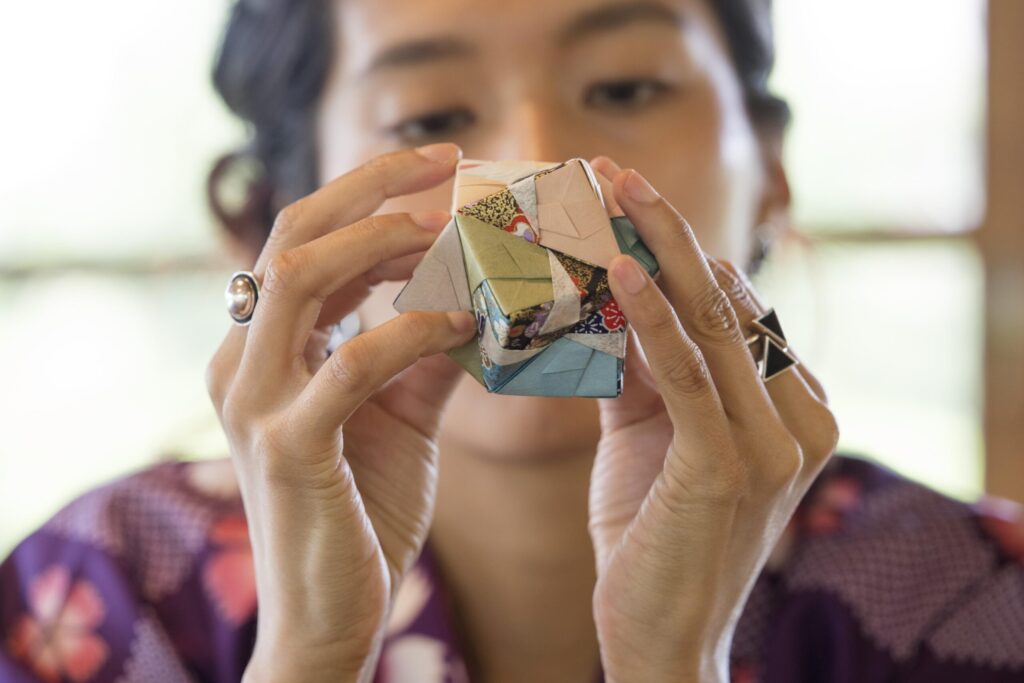
Carrying the weight of living between two distinct worlds without a solid sense of belonging exerts a heavy toll on your emotional and physical well-being.
The Weight of “Ni De Aquí, Ni De Allá”
Living in a perpetual state of cultural duality forces your brain to constantly code-switch and adapt. This lingering sense of rootlessness often triggers chronic grief—not just for the physical place you left behind, but for the version of yourself that existed there.
Over time, this unresolved loss can manifest as persistent low mood, emotional numbness, social withdrawal, or a deep, unexplained loneliness (soledad).
Unspoken Family Expectations and “Echarle Ganas”
In many Hispanic households, immigrant sacrifice is viewed as the ultimate foundation for future success. While this narrative instills resilience, it can also create an intense internal burden.
When you feel struggling or isolated, the cultural expectation to echarle ganas (push forward) and maintain family honor can prevent you from speaking openly about your mental pain.
Fearing that admitting your emotional exhaustion will seem ungrateful or bring worry to your family, you push your distress underground, where it turns into chronic inner tension.
What are the warning signs of immigrant identity stress?
When cultural displacement and unresolved longing remain unaddressed, they communicate through clear behavioral and physical red flags in your daily life.
Red flags to watch for in your routine:
- Chronic Imposter Syndrome: Constantly feeling like an outsider at work or in social settings, operating under the fear that you will be exposed as not truly belonging.
- Relational Detachment: Pulling away from both new local communities and old friends back home because explaining your internal friction feels too exhausting.
- Physical Somatization: Experiencing unexplainable body tightness, digestive distress, tension headaches (dolores de cabeza), or sleep disturbances linked to ongoing emotional rootlessness.
If you recognize this persistent cycle of feeling out of place, exploring your story in a culturally safe space can help you reclaim your narrative and find peace within your identity.
How to cultivate a sense of belonging within yourself
Healing from cultural displacement does not mean choosing one country or culture over another; it means building a bridge between all parts of who you are. You can begin practicing these grounding habits today:
- Embrace Bicultural Integration: Reframe your experience. You do not have to be 100% American or 100% from your origin country. Your unique blend of cultures is a rich, valid identity in itself.
- Acknowledge Ambiguous Grief: Allow yourself to mourn the connections, landscapes, and routines you left behind without feeling guilty or ungrateful for your present life.
- Build Intentional Community: Seek out spaces, groups, or relationships where your bicultural reality is understood and validated without requiring explanation.
- Practice Cultural Self-Compassion: Treat yourself with amor propio (self-love). Remind yourself that adapting to a new society while honoring your roots is one of the most complex psychological tasks a human can undertake.
When to seek therapy for immigrant identity and belonging

Many immigrants wait until they are experiencing severe emotional burnout, overwhelming isolation, or major life crises before seeking professional guidance. However, addressing cultural displacement early is a vital act of self-care and generational leadership.
Choosing a bilingual therapist in Colorado ensures that your migration history, family values, and cultural realities are understood implicitly without needing translation.
Utilizing specialized Therapy for immigrants provides a compassionate, structured environment where you can safely process acculturation stress, honor your sacrifices, and build a secure, authentic identity.
By learning to anchor your sense of belonging within yourself rather than relying solely on external geography, you can step forward with clarity, pride, and peace of mind.
Take the next step toward your cultural home
Denver Latino Counseling provides compassionate, bilingual, and culturally responsive care tailored for children, teens, adults, and families.
We specialize in therapy for immigrants, bicultural identity struggles, generational stress, and life transitions with evidence-based care that honors your values, your heritage, and your story. We proudly serve families throughout Denver, Aurora, Commerce City, Thornton, Westminster, and Littleton.
To ensure quality mental healthcare remains accessible to everyone in our community, we proudly accept Medicaid (Aceptamos Medicaid) and offer flexible payment options for all families.
Contact Us Today to schedule your free 15-minute consultation — en español o inglés.
No tienes que cargar este peso solo. Estamos aquí para ayudarte. You don’t have to carry this weight alone. We’re here to help.If you are looking for support or therapy for immigrants in Denver, Denver Latino Counseling is here to help.

Vanessa Richards, LPC is a bilingual psychotherapist with 18 years of experience helping children, teens, adults, couples, and families overcome trauma, anxiety, depression, and relationship challenges. She specializes in EMDR and IFS to help clients build resilience and emotional well-being.