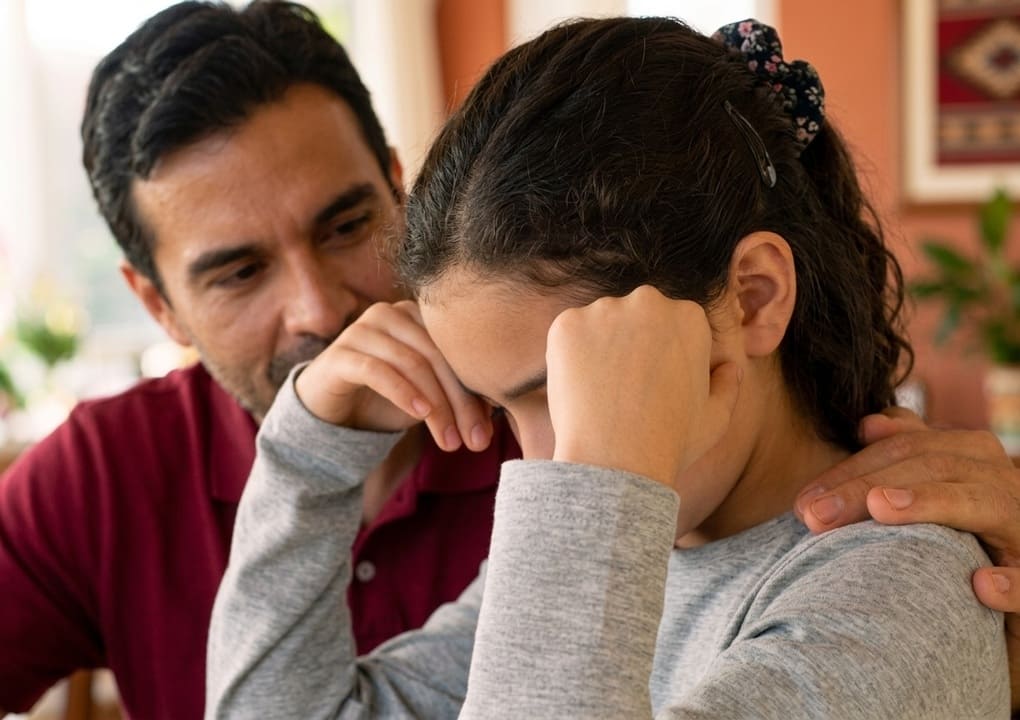
As parents, our primary instinct is to keep our children safe, happy, and confident. However, school bullying remains a painful reality for many kids and teens, often leaving deep emotional marks.
Because children frequently feel ashamed or fearful of speaking up, detecting bullying requires paying close attention to subtle shifts in their daily routines and mood.
Throughout this guide, you will learn to spot the physical, emotional, and behavioral warning signs of school bullying, understand how cultural dynamics affect how Latino children process distress, and see how working with a Spanish speaking therapist Denver can help your child regain their emotional safety.
Physical warning signs of school bullying
While children may hide their pain verbally, their physical bodies often communicate that something is deeply wrong.
Unexplained injuries and damaged possessions
Frequent bumps, bruises, or scratches without a clear explanation are major red flags. You might also notice torn clothing, missing personal items, or broken school supplies on a regular basis.
Frequent physical ailments (somatización)
When children experience severe stress, it frequently manifests as real physical pain. Watch out for recurring complaints of stomach aches, nausea, or headaches, especially on weekday mornings or right before the school bus arrives.
Behavioral and emotional red flags

Bullying can drastically change a child’s temperament, turning once outgoing kids into distant or anxious individuals.
School avoidance and grade drops
If your child suddenly invents excuses to skip school, asks to stay home regularly, or experiences a sudden decline in academic performance, it may indicate that the school environment no longer feels safe.
Emotional outbursts and sudden changes in mood
- Increased Anxiety and Fear: Appearing unusually fearful or nervous, particularly on Sunday nights or after spending time on electronic devices.
- Sudden Sadness or Isolation (Tristeza): Withdrawing from family conversations, quitting favorite sports or hobbies, or spending long hours isolated in their bedroom.
- Sleep Disturbances: Suffering from recurring nightmares, struggling to fall asleep, or experiencing sudden bedwetting.
If these emotional shifts persist, seeking specialized child therapy in Denver can give your child a safe space to express their feelings and heal.
Cultural dynamics: why latino kids may stay silent
In many Hispanic households, unique cultural values influence how children process bullying and stress.
The Shield of “aguantar” and fear of disappointment
Children in Latino families are often raised with a strong respect for authority (respeto) and a desire to be strong (aguantar). They may avoid telling their parents about bullying because they do not want to add extra stress to hard-working parents who are already dealing with financial or migration pressures.
Fear of being labeled weak
Some kids fear being called overly sensitive or lazy if they admit they are struggling. Other times, fear of judgment (el qué dirán) makes children carry peer harassment in complete isolation.
What to do if you suspect your child is struggling
If you notice warning signs of bullying, your reaction can make a world of difference in your child’s recovery:
- Listen Without Judgment: Create a calm, quiet moment to talk. Reassure them that the bullying is not their fault and that they are not in trouble.
- Document the Incidents: Keep track of dates, descriptions of events, and any physical or online evidence (such as cyberbullying messages).
- Contact the School: Schedule a formal meeting with your child’s teachers, school counselor, or administrator to create an actionable safety plan.
- Validate Their Emotions: Let them know that feeling scared, angry, or sad is completely normal and that you will face this challenge together.
Healing without a translator: why bicultural therapy matters
Overcoming the emotional impact of bullying requires a supportive environment where your child feels fully understood. Choosing a Spanish speaking therapist Denver allows your child and family to communicate in the language that feels most comfortable and emotionally safe.
A bilingual, culturally informed therapist understands family dynamics, cultural expectations, and how peer pressure intersects with identity. Therapy helps your child rebuild their self-esteem, learn assertive communication skills, and overcome social trauma.
If bullying has triggered severe stress or fear in your household, specialized terapia para ansiedad en Denver can help both parents and children navigate this overwhelming time with expert guidance.
Overcoming stigma: therapy is an investment in your child’s future
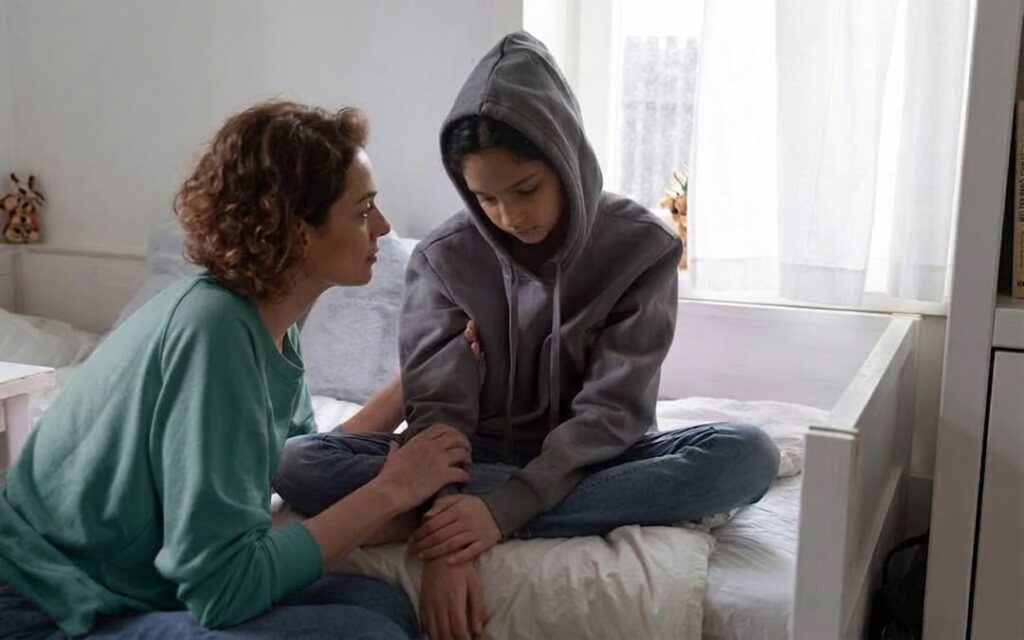
Seeking professional support for your child is not a sign of parenting failure; it is a powerful investment in their long-term well-being and confidence.
How therapy helps your child heal:
- Restores Self-Worth: Helps kids untangle their personal identity from the hurtful words and actions of bullies.
- Teaches Coping Strategies: Equips children with practical emotional tools to handle anxiety, peer conflict, and social settings.
- Protects Long-Term Mental Health: Prevents unresolved bullying trauma from turning into chronic anxiety or depression later in life.
Take the next step toward lasting peace
Denver Latino Counseling provides compassionate, bilingual, and culturally specific therapy tailored for children, teens, adults, and families.
We specialize in treating school stress, trauma, chronic anxiety, and behavioral challenges using evidence-based care that respects your values and your heritage.
We proudly serve families throughout Denver, Aurora, Commerce City, Thornton, Westminster, and Littleton.
To ensure quality mental healthcare remains accessible to our entire community, we proudly accept Medicaid (Aceptamos Medicaid) and offer flexible payment options for all families.
Contact Us Today Schedule your free 15-minute consultation — en español o inglés.
No tienes que cargar este peso solo. Estamos aquí para ayudarte. You don’t have to carry this weight alone. We’re here to help.
If you are looking for specialized bullying therapy in Denver, Denver Latino Counseling is here to help.

Vanessa Richards, LPC is a bilingual psychotherapist with 18 years of experience helping children, teens, adults, couples, and families overcome trauma, anxiety, depression, and relationship challenges. She specializes in EMDR and IFS to help clients build resilience and emotional well-being.