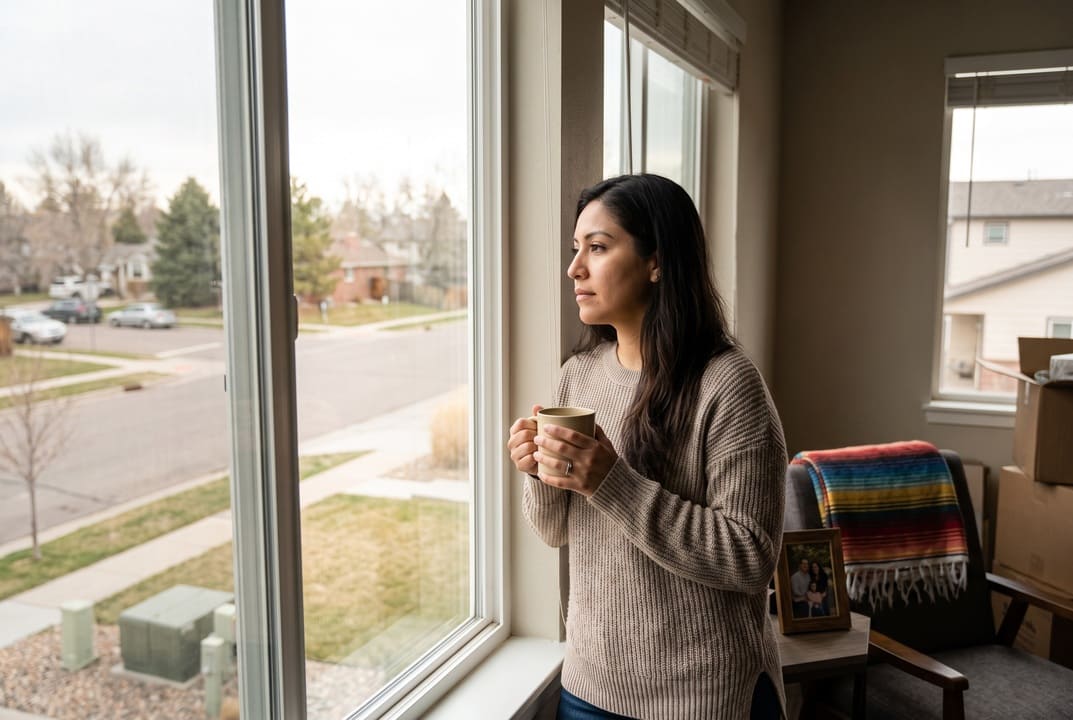
Moving to a new city or country often represents progress, opportunity, and personal growth. Whether relocating for employment, higher education, or better opportunities, the initial excitement is real.
However, once the initial transition settles, many individuals experience a quiet, overwhelming wave of grief, loneliness, and emotional strain.
Leaving your extended family and cultural roots behind creates a unique psychological impact that is rarely talked about openly.
Throughout this guide, you will learn how physical distance from family affects your nervous system, how cultural expectations in Latino households intensify homesickness, and how working with a Spanish speaking therapist in Denver can help you process migration stress and build emotional resilience.
The hidden psychological impact of relocation
Moving away from your primary support system requires a complete overhaul of your daily emotional landscape.
Emotional isolation and unspoken grief
Even when relocation is voluntary, leaving family triggers a subtle form of grief. Missing weekly family dinners, milestone celebrations, or simple daily conversations creates a persistent sense of loss that can gradually turn into chronic sadness or anxiety.
Loss of the “safety net”
In times of illness, stress, or life changes, proximity to family provides an immediate safety net. Without relatives nearby to offer childcare, emotional reassurance, or practical support, everyday challenges feel significantly heavier, leading to emotional burnout.
Warning signs that moving away is affecting your mental health

Relocation distress does not always look like overt sadness; it frequently manifests through subtle physical and emotional patterns:
- Persistent Guilt (Culpa): Feeling guilty for living comfortably or building a life elsewhere while family members face hardships back home.
- Hyper-Independence: Feeling compelled to handle every hardship alone, refusing to ask for support out of fear of burdening others.
- Physical Tension and Fatigue: Chronic shoulder pain, headaches (dolores de cabeza), or sleep disturbances caused by holding emotional stress inside.
- Social Withdrawal: Feeling disconnected from your new community or avoiding making new friends because no one seems to understand your heritage.
If these signs reflect your current transition, seeking specialized therapy for adults in Denver can offer a supportive space to process relocation stress.
Cultural dynamics: relocation distress in latino households
In Hispanic culture, family ties are central to personal identity and well-being.
The central role of “familismo”
Latino culture is deeply rooted in collective family support (familismo). When you move away, the distance can feel like a departure from cultural values. Navigating key life events without your family’s presence can create a deep sense of identity disconnection and longing (soledad).
Managing family expectations across distances
Long-distance family members may expect frequent communication or financial support. Balancing your new daily realities while fulfilling obligations back home can lead to chronic pressure and emotional exhaustion.
Practical ways to protect your well-being after moving
You can implement gentle, grounding practices today to help manage homesickness and build belonging in your new environment:
- Acknowledge relocation grief: Allow yourself to feel nostalgic or sad without labeling those feelings as ungrateful or weak.
- Establish weekly family traditions: Set predictable times for video calls or phone chats so staying in touch feels structured rather than overwhelming.
- Build a local community network: Seek out local cultural groups, volunteer organizations, or community spaces where you can share familiar traditions and values.
- Practice self-compassion (amor propio): Remind yourself that adapting to a new city takes time, patience, and emotional rest.
Healing without a translator: why bicultural therapy matters
Navigating relocation stress requires a therapeutic environment where your cultural values and background are genuinely understood. Choosing a Spanish speaking therapist in Denver allows you to process your migration story and feelings in the language that holds your deepest memories.
A bilingual, culturally informed therapist understands concepts like familismo, generational sacrifice, and the complex emotions tied to living far from home.
If relocation stress has triggered persistent worry or panic, specialized therapy for immigrants in Denver can help you process identity shifts and build meaningful local connections.
Overcoming Stigma: therapy is an investment in your journey

Seeking therapy after moving away from home is not a sign that your relocation was a mistake; it is an active investment in your long-term emotional well-being.
How relocation counseling helps you adapt:
- Validates your cultural identity: Helps you honor your roots while adapting to a new community.
- Reduces guilt and anxiety: Equips you with tools to manage long-distance family dynamics without constant emotional strain.
- Strengthens local belonging: Empowers you to build a fulfilling life and supportive network in your new home.
Take the next step toward lasting peace
Denver Latino Counseling provides compassionate, bilingual, and culturally specific therapy tailored for adults, immigrants, couples, and families.
We specialize in treating relocation stress, life transitions, chronic anxiety, and generational stress using evidence-based care that respects your values and your heritage.
We proudly serve families throughout Denver, Aurora, Commerce City, Thornton, Westminster, and Littleton.
To ensure quality mental healthcare remains accessible to our entire community, we proudly accept Medicaid (Aceptamos Medicaid) and offer flexible payment options for all families.
Contact Us Today Schedule your free 15-minute consultation — en español o inglés.
No tienes que cargar este peso solo. Estamos aquí para ayudarte. You don’t have to carry this weight alone. We’re here to help.
If you are looking for therapy in Denver, Denver Latino Counseling is here to help.

Vanessa Richards, LPC is a bilingual psychotherapist with 18 years of experience helping children, teens, adults, couples, and families overcome trauma, anxiety, depression, and relationship challenges. She specializes in EMDR and IFS to help clients build resilience and emotional well-being.