
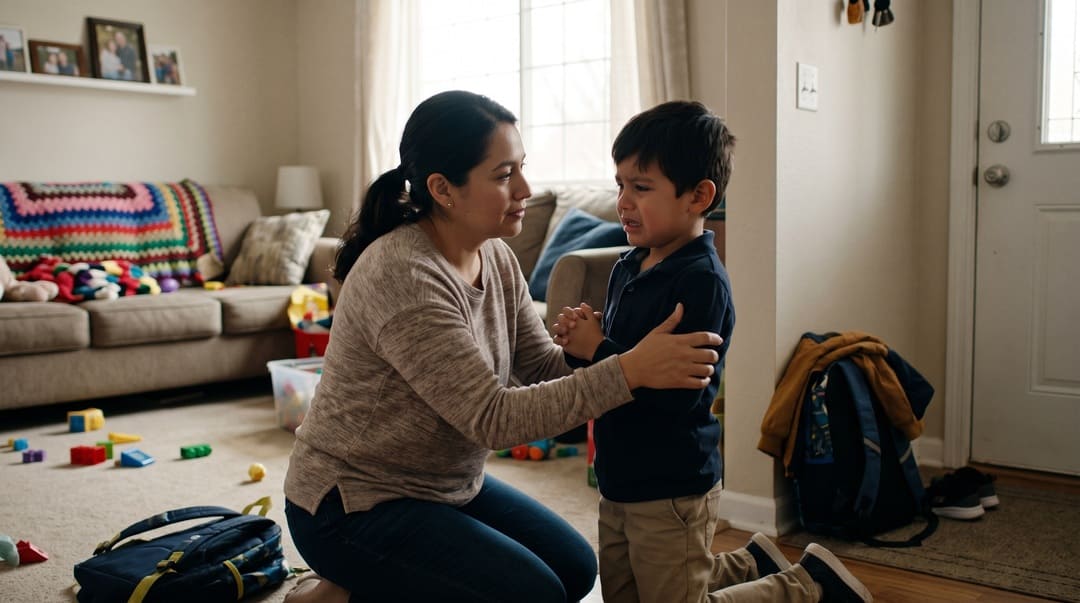
You get a glowing report from your child’s teacher about how polite, attentive, and cooperative they are in class. Yet, the moment they walk through the front door at home, the smallest issue triggers a massive tantrum, tears, or emotional outburst.
It can leave parents feeling confused, exhausted, and wondering, “Why do they save their worst behavior for me?” This common parenting experience is often known as “after-school restraint collapse.”
Throughout this guide, you will learn why children explode in safe environments, how unique cultural expectations in Latino homes influence childhood stress, and how working with a Spanish speaking therapist in Denver can help your family restore daily peace.
Understanding after-school restraint collapse
To understand why your child melts down at home, it helps to look at how much energy they spend during the school day.
The exhaustion of “holding it together”
School demands constant self-regulation from children.
Sitting still, following rules, managing peer interactions, and staying focused require immense cognitive and emotional effort. By the time the school bell rings, your child’s emotional cup is completely empty.
Home as a safe zone
While meltdowns are difficult to handle, they are actually a sign that your child feels safe around you. At school, they suppress their overwhelm to fit in and follow instructions.
At home, they drop their emotional defenses because they trust that your love is unconditional, allowing all their built-up stress to spill over.
Warning signs that your child is emotionally overwhelmed
After-school restraint collapse shows up differently depending on a child’s age and temperament:
- Immediate Emotional Outbursts: Extreme crying or severe anger over minor triggers, like being offered the wrong snack.
- Physical Exhaustion and Somatization: Frequent complaints of stomach aches (dolor de estómago) or headaches right after school.
- Hyperactivity or Sudden Withdrawal: Pacing rapidly, screaming, or immediately isolating in their bedroom.
- Regression in Behaviors: Sucking their thumb, clinging to parents, or experiencing accidents long after being potty-trained.
If these daily meltdowns are creating persistent friction in your household, seeking specialized child therapy in Denver can help your child build healthier emotional regulation habits.
Cultural dynamics: emotional regulation in latino homes
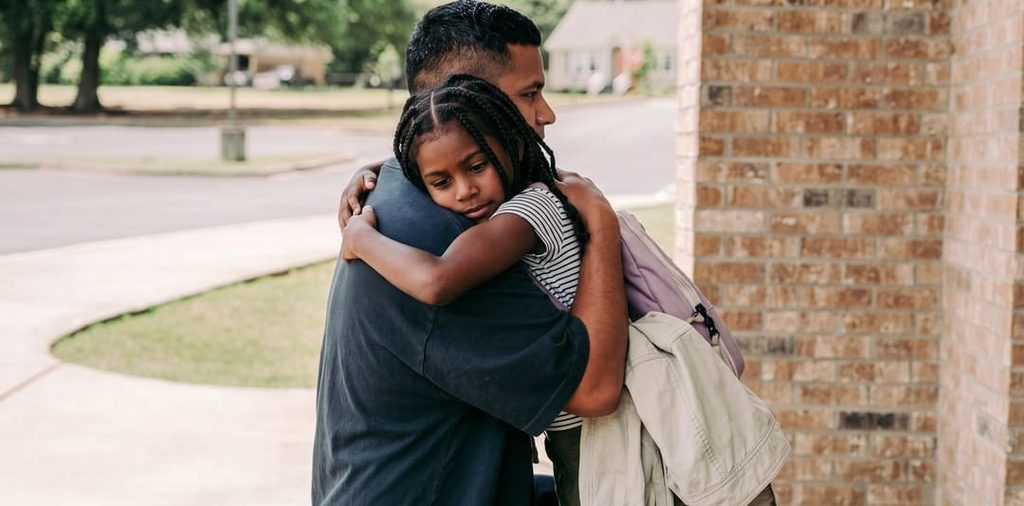
In Hispanic families, cultural values around respect and discipline can complicate how parents interpret after-school meltdowns.
The pressure of “respeto” and good behavior
Latino culture deeply values respect (respeto) and well-behaved children (niños bien educados).
When a child has an outburst at home after behaving well at school, parents may view it as disobedience or a lack of respect rather than a physiological stress response.
“No llores por gusto”: validating big emotions
Cultural phrases like “no llores” or “pórtate bien” are often used with good intentions to maintain order.
However, discouraging children from expressing emotional fatigue can cause them to internalize their anxiety until it manifests as severe behavioral issues or chronic stress.
Practical ways to help your child transition from school to home
You can implement simple strategies today to reduce after-school meltdowns and ease your child’s transition:
- Create a “Decompression Zone”: Give your child 20 to 30 minutes of unstructured downtime right after school without asking about homework or grades.
- Provide a Healthy Snack Immediately: Blood sugar drops significantly after school; offering a nourishing snack can prevent hunger-induced mood swings.
- Reduce Post-School Interrogations: Instead of asking “How was your day?” as soon as they get in the car, offer a gentle greeting: “I’m so glad to see you.”
- Validate Their Feelings: Acknowledge their fatigue with empathy: “You worked hard all day today. It’s okay to rest.”
Healing without a translator: why bicultural therapy matters
Helping a child process overwhelming stress requires a space where their language and family traditions are honored. Choosing a Spanish speaking therapist in Denver allows your child and family to communicate without cultural barriers.
A bilingual therapist understands family dynamics, cultural expectations, and how school-related anxiety impacts children. Therapy provides kids with age-appropriate emotional tools while helping parents set loving, effective boundaries.
Overcoming stigma: therapy is an investment in your child’s growth
Seeking guidance for your child’s behavior is not a reflection of poor parenting; it is a proactive step toward supporting their mental health and emotional intelligence.
How Child Therapy Transforms Your Household:
- Teaches Self-Regulation: Helps children recognize when their emotional tank is low and ask for breaks before exploding.
- Strengthens Parent-Child Bonds: Replaces daily power struggles with mutual understanding and connection.
- Prevents Long-Term Anxiety: Equips kids with coping tools that protect their mental well-being as they grow.
Take the next step toward lasting peace
Denver Latino Counseling provides compassionate, bilingual, and culturally specific therapy tailored for children, teens, adults, and families.
We specialize in treating behavioral challenges, school stress, chronic anxiety, and family conflict using evidence-based care that respects your values and your heritage.
We proudly serve families throughout Denver, Aurora, Commerce City, Thornton, Westminster, and Littleton.
To ensure quality mental healthcare remains accessible to our entire community, we proudly accept Medicaid (Aceptamos Medicaid) and offer flexible payment options for all families.
Contact Us Today Schedule your free 15-minute consultation — en español o inglés.
No tienes que cargar este peso solo. Estamos aquí para ayudarte. You don’t have to carry this weight alone. We’re here to help.
If you are looking for specialized child support or therapy in Denver, Denver Latino Counseling is here to help.

Vanessa Richards, LPC is a bilingual psychotherapist with 18 years of experience helping children, teens, adults, couples, and families overcome trauma, anxiety, depression, and relationship challenges. She specializes in EMDR and IFS to help clients build resilience and emotional well-being.