
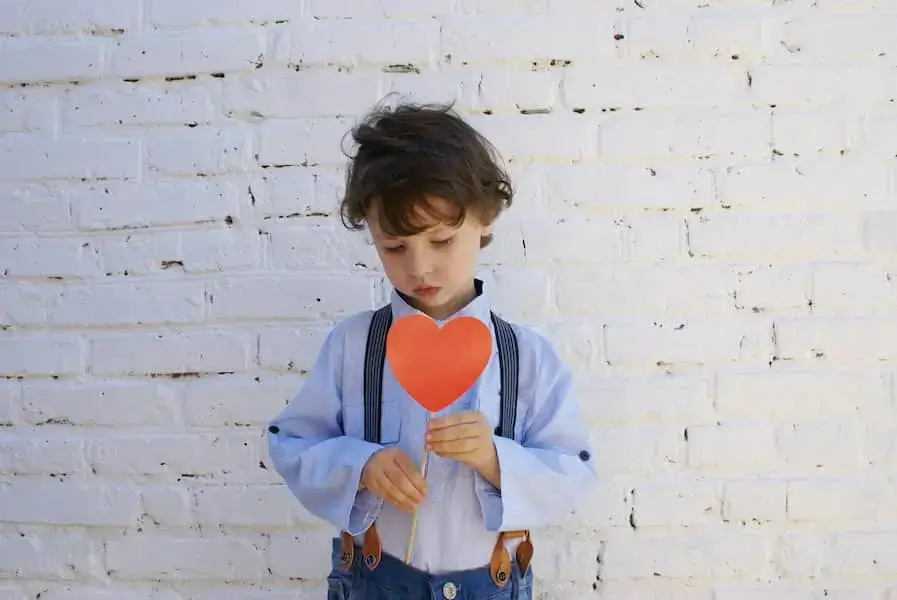
As a parent, you wish you could take your child’s sadness or pain away whenever they’re hurt or feeling down. While you can jump in and help them when they need to be comforted or if they scrape their knee, you won’t always be able to help them with all the problems or challenges they face in life.
Physical pains are a lot easier to spot and solve. Mental issues come with their fair share of additional challenges. You may not even notice some changes at first. Over time, your child may start behaving or acting differently than you would consider normal behavior.
If you suspect your child is struggling with their mental health, it’s essential to look out for some signs and symptoms so you can be sure.
Here are five common symptoms to watch out for if you suspect your child is struggling with depression.
1. Persistent Sadness
Your happy-go-lucky child may not be so happy anymore if depression is present. If you notice your child has been sad, moody, lonely, or unhappy for two weeks or longer, depression could be playing a role. Try to pay attention to your child’s mood and energy levels. Are they crying more than usual? You may even notice more temper tantrums. It’s never easy seeing your child down or sad, but keeping track of their various moods can help you determine if the answer to it all is depression.
2. Loss of Interest in Activities
Another common sign of depression in both children and adults is a loss of interest in activities. If your child used to love going to the park or participating in games or sports and they no longer seem interested in partaking in those types of activities, depression could be to blame. Depression can cause changes that impact a person’s energy levels and their interest in certain things. Even if it was an activity, sport, or game that they loved, they may not feel the same level of fun or enjoyment towards it anymore if they’re battling depression.
3. Aches and Pains
Depression can also cause various aches and pains within the body. If you notice your child is complaining of headaches or stomachaches more than usual, depression could be the actual cause of this. You may even notice your child asking to stay home from school or certain events, even if they’re not actually sick.
4. Changes in Eating Habits
Depression can also impact one’s eating habits. One of two changes could take place due to depression. Your child may be turning to food as a short-term coping mechanism and be overeating or binging. Or your child may not feel like they have the energy actually to eat, which means they may be undereating. Pay attention to the foods that they’re consuming so you can better determine if you are, in fact, noticing changes to their eating habits.
5. Changes in Sleeping Habits
Besides changes in eating habits, depression could also affect your child’s sleeping habits. Similar to eating habits, sleeping habits could be changed in one of two ways. Your child may have a hard time going to bed at night. They could struggle to fall asleep and stay asleep throughout the night. Or your child may oversleep or want to spend their days in bed oversleeping and napping throughout the day due to a lack of energy.
How to Help
Taking the time to understand depression and its various signs and symptoms is a significant first step to helping your child who may be struggling. You’re not expected to do this all on your own, though. Depression is a common but serious mental health disorder. It’s important to know that your child developing signs of depression doesn’t make you a bad parent.
Reach out today to set up a consultation with a mental health professional for therapy for children. Together, we can help your child.


Vanessa Richards, LPC is a bilingual psychotherapist with 18 years of experience helping children, teens, adults, couples, and families overcome trauma, anxiety, depression, and relationship challenges. She specializes in EMDR and IFS to help clients build resilience and emotional well-being.