
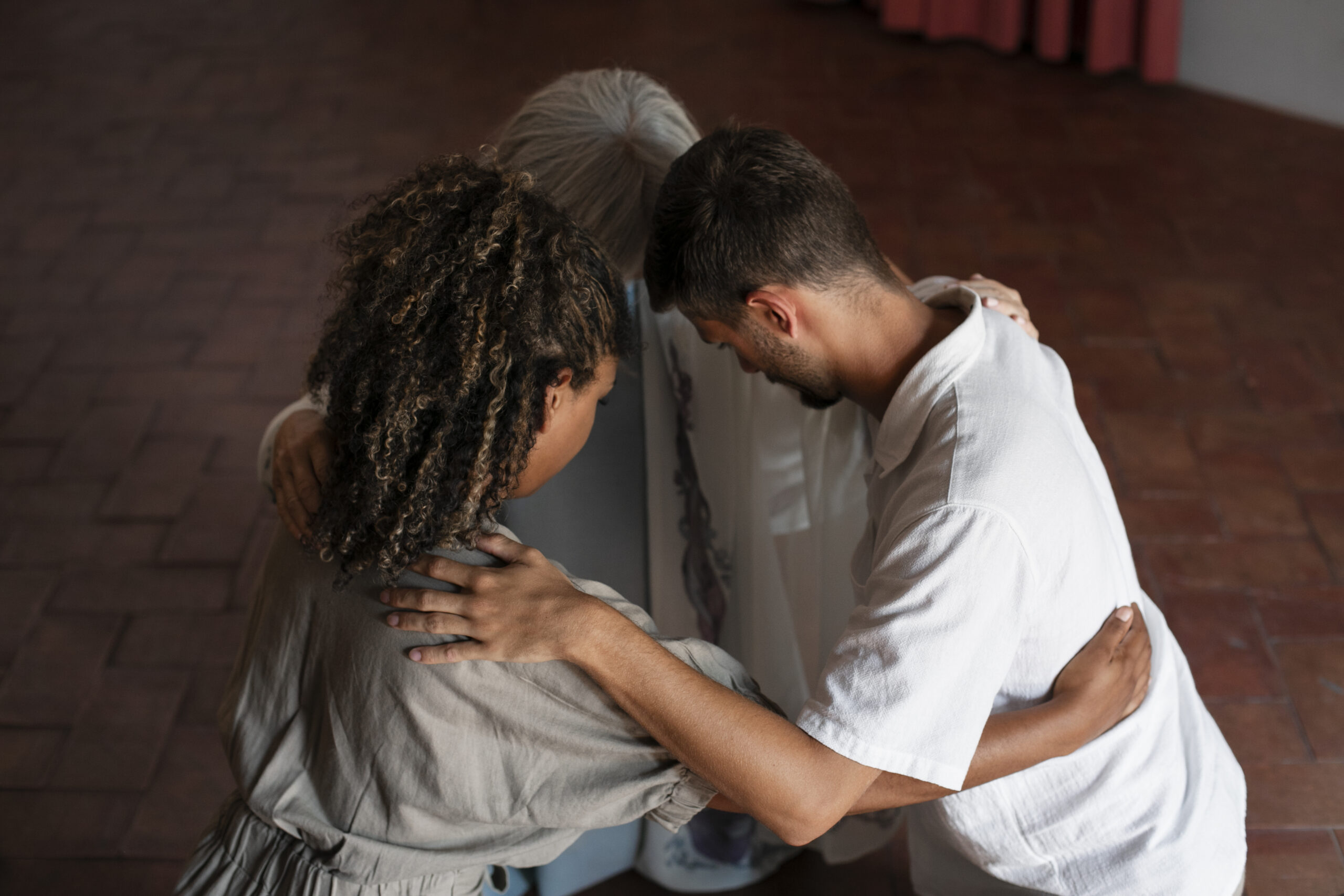
Rebuilding your life after an overwhelming emotional or physical shock is a profound, non-linear process.
While many people focus on the immediate feelings of fear or sadness, one of the most isolating consequences of trauma is how it fundamentally alters your relationships.
You may find yourself holding back from opening up to close friends, questioning the intentions of loved ones, or feeling an invisible wall between you and your partner.
Throughout the following sections, we will explore the neurobiology of self-protection, the cultural rules that keep us isolated, and how a specialized Spanish-speaking therapist can help you safely dismantle your emotional walls.
Why does trauma make me doubt others?
Difficulty trusting others after a distressing experience is not a choice, a sign of coldness, or a personal flaw. It is a direct survival response managed by your nervous system.
When an individual experiences trauma, the brain’s emotional center remains stuck in a persistent state of alertness (hipervigilancia). For a survival-driven brain, predictability equals safety.
Trust, by its very nature, requires stepping into the unknown and relying on someone else.
To an anxious mind, that vulnerability feels like an immediate threat. Your nervous system assumes that if you let your guard down, you will be blindsided by pain again, so it generates artificial suspicion, overthinking, and emotional walls to keep you safely isolated.
How do Hispanic cultural norms influence emotional isolation?
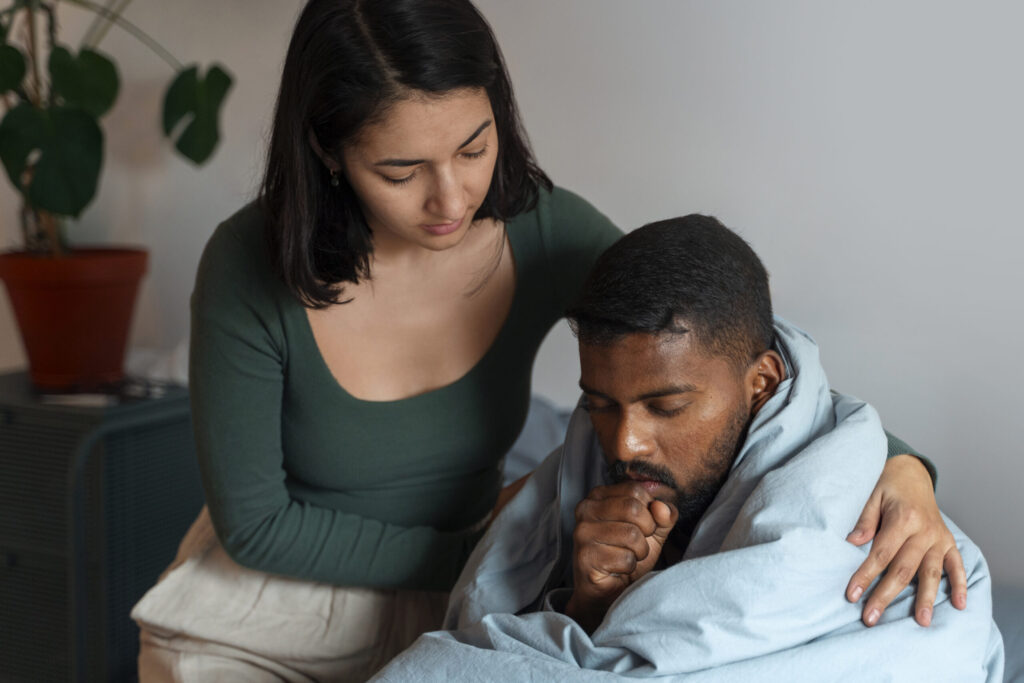
In Hispanic communities, our beautiful values of deep family loyalty and collective support can sometimes coexist with unwritten cultural guidelines that teach us to treat the outside world with extreme caution.
The Shield of Privacy: “Los Trapos Sucios”
Traditional upbringing often places a high value on safeguarding family honor at all costs. The well-known rule that family vulnerabilities must stay behind closed doors (los trapos sucios se lavan en casa) teaches us to hide our psychological wounds.
Afraid of community gossip or judgment (el qué dirán), we avoid trusting neighbors, coworkers, or even extended family members with our true struggles, turning our survival habits into a lonely prison.
The Traumas of Displacement and Migration
For many individuals in our community, the journey to establish a life here involved profound systemic stress, migration trauma, or navigating an unfamiliar social system.
When you have had to survive environments where trusting the wrong person could mean severe legal or emotional consequences, hyper-vigilance becomes an essential shield.
This protective behavior runs so deep that even when you are finally in a safe neighborhood, your body struggles to turn off survival mode, interpreting emotional closeness as a dangerous risk.
What are the warning signs that trauma is affecting my relationships?
When trauma breaks your capacity to build secure bonds, it communicates its distress through clear physical, emotional, and behavioral red flags.
Red flags to watch for in your daily life:
- The “Waiting for Betrayal” Mindset: Chronically analyzing a partner’s or friend’s words, searching for hidden meanings, or assuming they will inevitably deceive you.
- Emotional Detachment: Intentionally pulling away from meaningful social circles or refusing to commit deeply, choosing absolute independence over the vulnerability of true connection.
- Physical Somatization: Experiencing a racing heart, shallow breathing, chest tightness, or sudden tension headaches (dolores de cabeza) when someone attempts to get emotionally close to you.
If you recognize these signs of relational exhaustion behind your own defensive walls, pursuing specialized Anxiety therapy or trauma-focused care can provide a liberating space to finally drop the weight.
How to trust people again after trauma
Retraining an anxious, protective nervous system takes time and immense patience. You can begin practicing these small, grounding habits at home today to show your brain that healthy connection can be safe:
- Practice “micro-doses” of closeness: You don’t have to share your deepest secrets immediately. Share a small, low-risk truth with a trusted friend, and notice how your body feels when they respond with kindness.
- Use somatic grounding: When suspicion strikes during an interaction, anchor yourself in the present moment. Feel the weight of your feet on the floor, look at the physical safety of your surroundings, and remind yourself that you are in the safe present.
- Turn down the external noise: Protect your nervous system by limiting exposure to repetitive social media conflict and toxic global news cycles. Lowering external noise reduces baseline nighttime overthinking.
- Cultivate relational self-compassion: Remind yourself that your difficulty trusting others is not a personal failure; it is a shield your body built to protect you from pain. Treat yourself with amor propio (self-love) as you heal.
When should I seek therapy for trauma and anxiety?
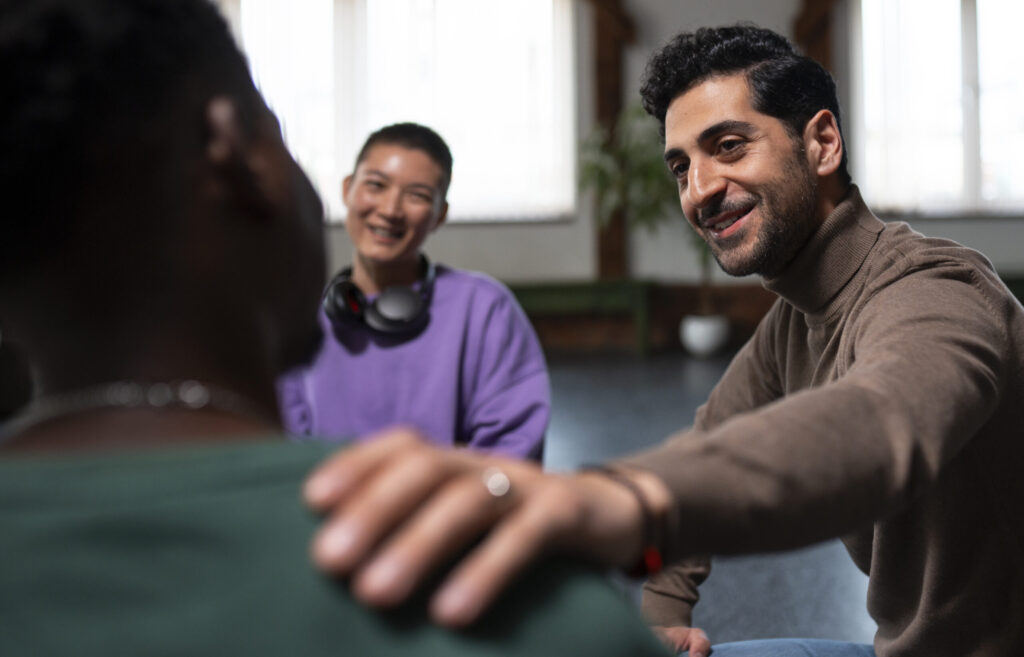
Many individuals in our community wait until an absolute relational crisis or a painful divorce occurs before reaching out for professional mental health support.
However, therapy is not a sign of weakness or a betrayal of family privacy; it is a profound act of family leadership.
Choosing a bilingual therapist in Denver ensures that your cultural history and migration realities are understood implicitly.
Whether you benefit from EMDR therapy to reprocess ancestral trauma, IFS therapy to understand your protective parts, a professional who shares your background will respect your heritage while helping you challenge toxic isolation.
Furthermore, if generational stress is impacting your children, integrating Play therapy or specialized Therapy for kids can protect your entire household.
Take the next step toward authentic connection
Denver Latino Counseling provides compassionate, bilingual, and culturally responsive therapy tailored for children, teens, adults, and families.
We specialize in treating trauma, chronic anxiety, and relationship stress with evidence-based care that honors your values, your heritage, and your story. We proudly serve families throughout Denver, Aurora, Commerce City, Thornton, Westminster, and Littleton.
To ensure quality mental healthcare remains accessible to our entire community, we proudly accept Medicaid (Aceptamos Medicaid) and offer flexible options for all families.
Contact Us Today Contact us today to schedule your free 15-minute consultation — en español o inglés.
No tienes que cargar este peso solo. Estamos aquí para ayudarte. You don’t have to carry this weight alone. We’re here to help.
If you are looking for trauma support or therapy para la ansiedad en Denver, Denver Latino Counseling is here to help.

Vanessa Richards, LPC is a bilingual psychotherapist with 18 years of experience helping children, teens, adults, couples, and families overcome trauma, anxiety, depression, and relationship challenges. She specializes in EMDR and IFS to help clients build resilience and emotional well-being.